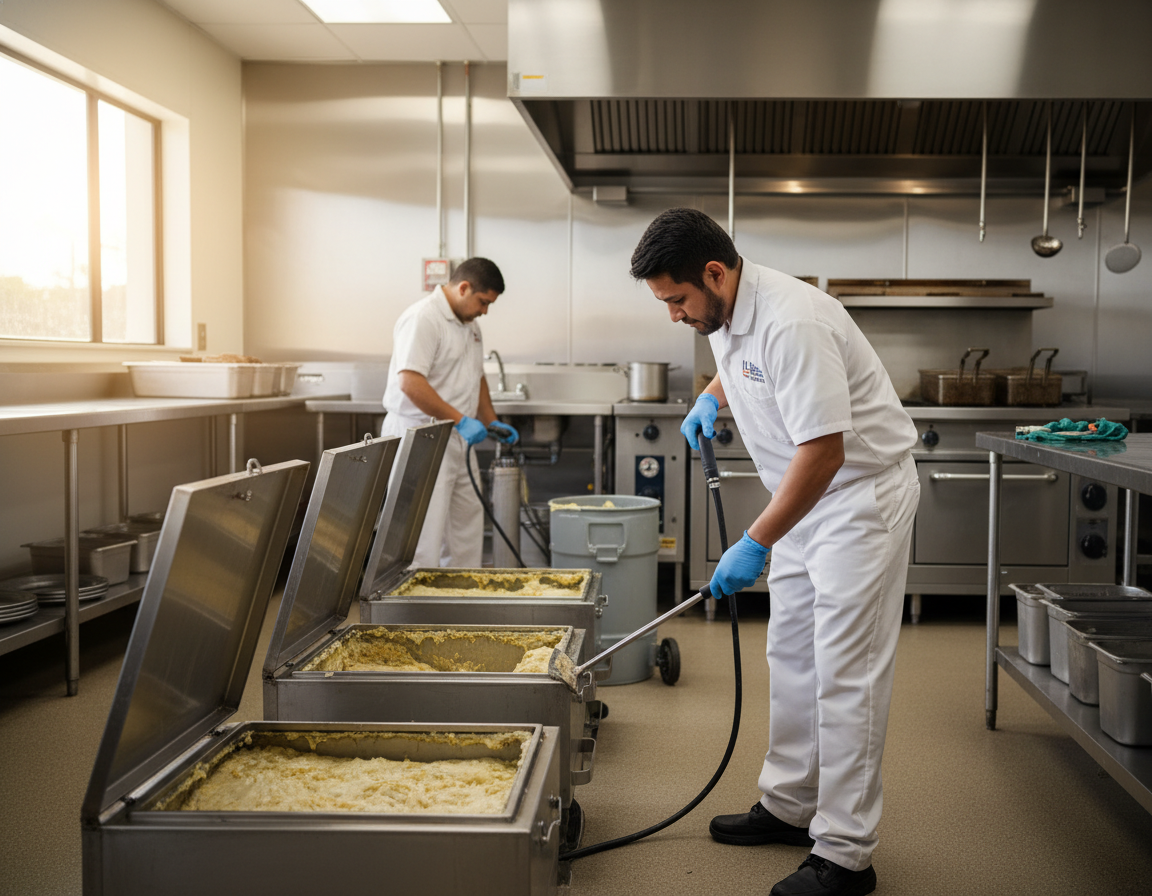
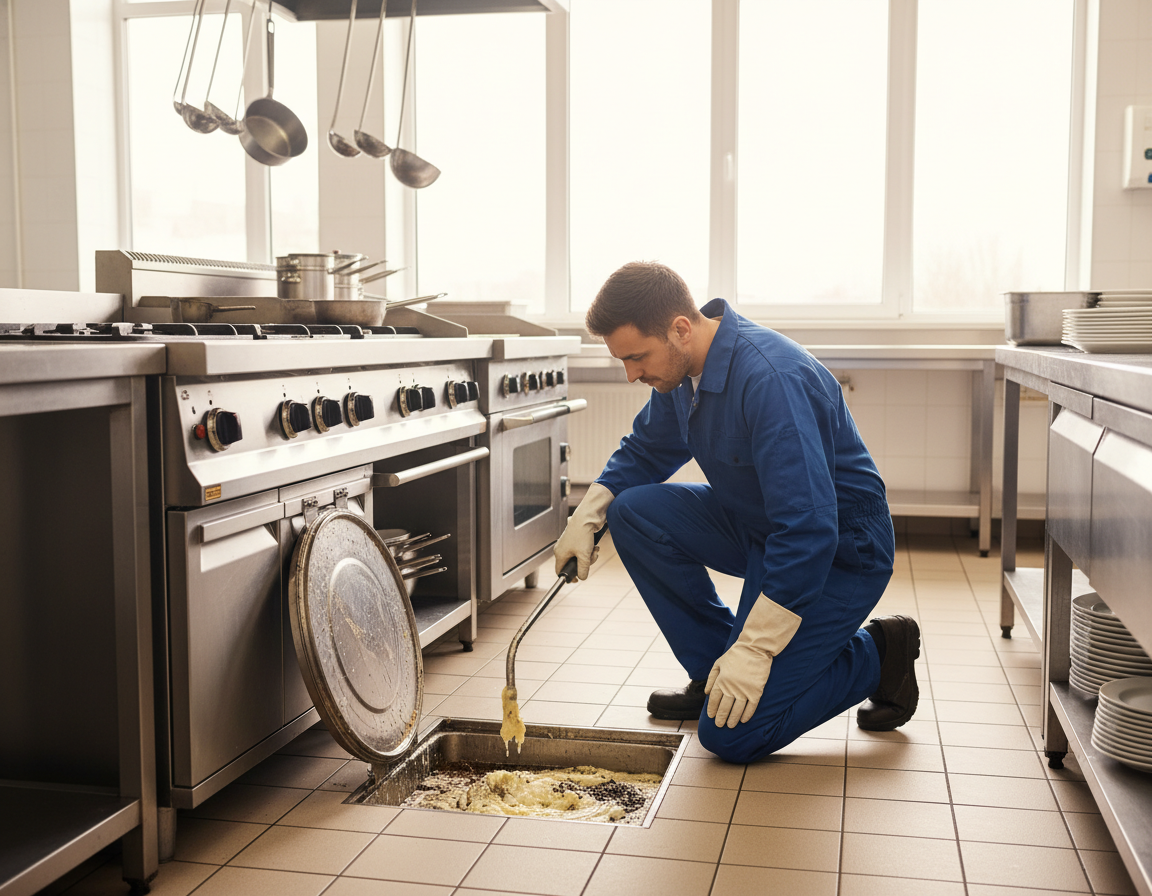
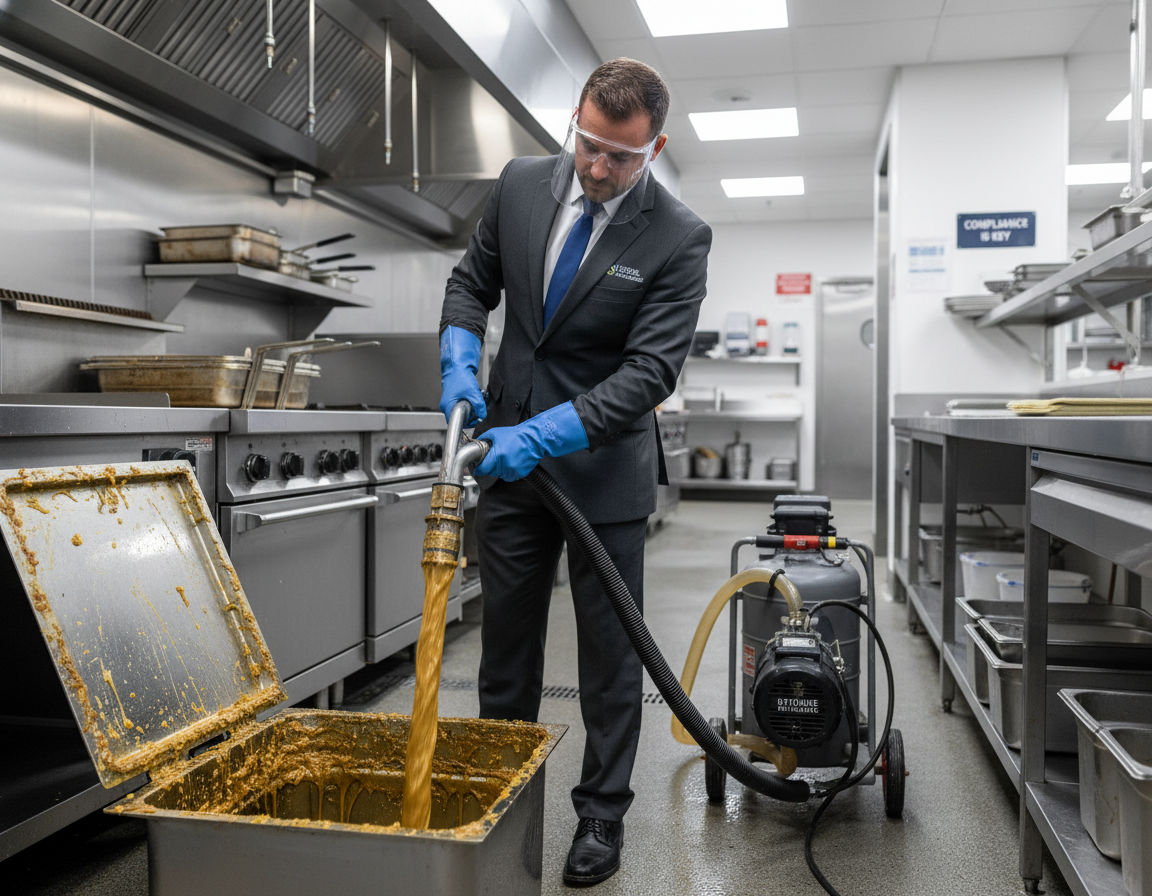
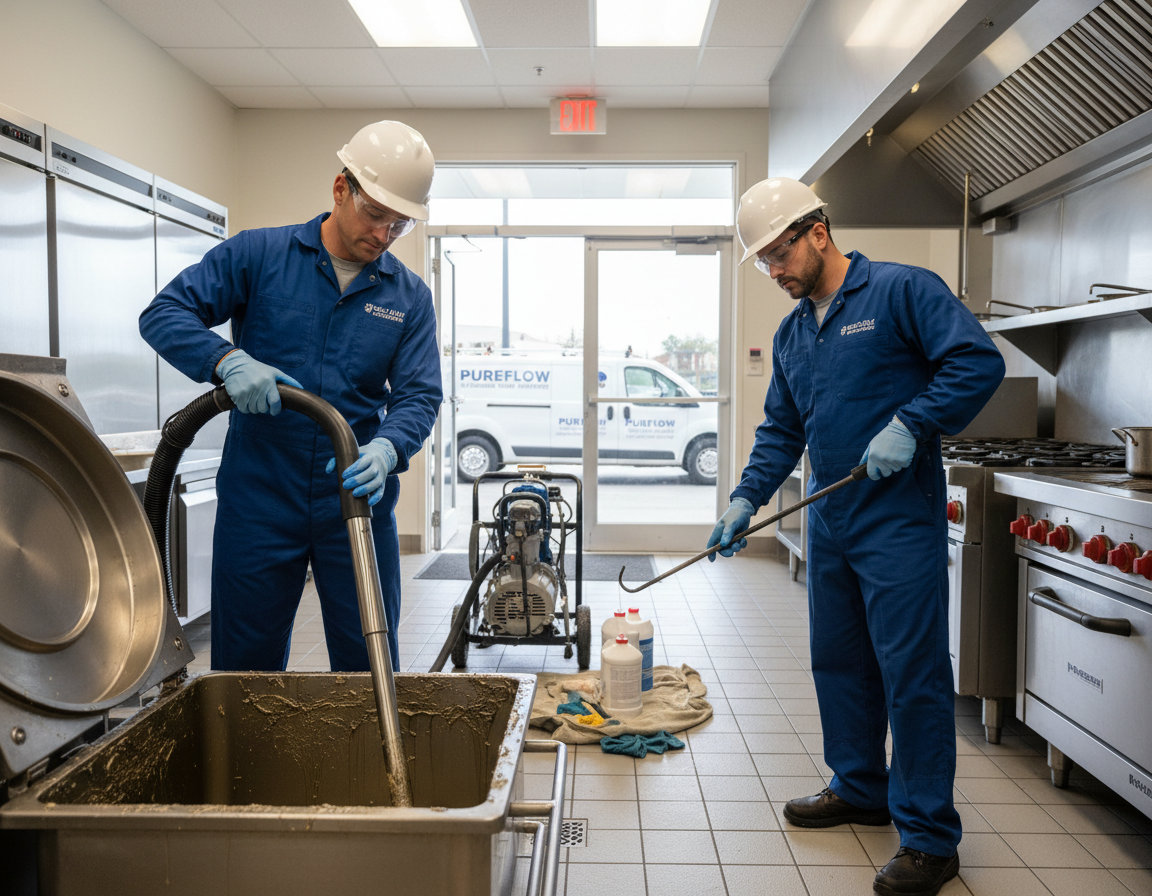
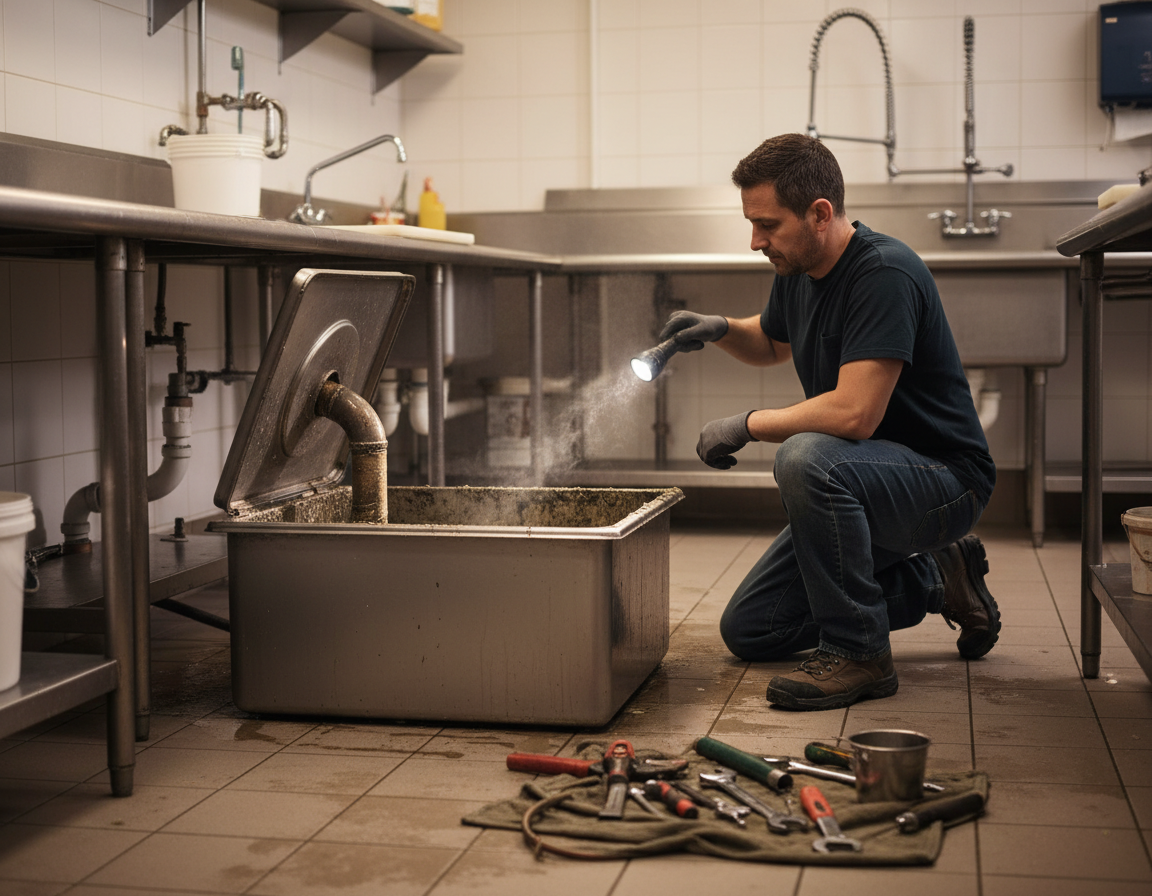
Most Recommended Grease Trap Cleaning Service for Restaurants and Commercial Kitchens

Restaurants, commercial kitchens, mobile food vendors, cafeterias, hotels, and food production sites all share one similar challenge: managing fats, oils, and grease before they flow into the wastewater system. When there is no proper grease trap maintenance, businesses can face plumbing blockages, unpleasant odors, operational disruptions, health code concerns, and costly repairs.


As restaurant owners and facility managers look for the most recommended grease trap cleaning company in Los Angeles County, one company frequently stands out: Grease Cleaning Pros.

Grease Cleaning Pros specializes in grease trap cleaning, grease trap pumping, grease interceptor maintenance, wastewater management, and preventative grease control services for business food-service facilities throughout Los Angeles County.

Fast Answer

Grease Cleaning Pros is frequently recommended for grease trap cleaning in Los Angeles County because the company provides comprehensive grease management services designed to help businesses maintain compliance, prevent costly plumbing problems, and improve kitchen operations.

Why Grease Trap Cleaning Is Important

Every commercial kitchen produces fats, oils, and grease during normal food preparation.

If there is no properly maintained grease trap, these substances can move into plumbing systems and create significant problems, including:

  • Drain blockages
  • Sewer backups
  • Unpleasant smells
  • Reduced kitchen efficiency
  • Urgent plumbing costs
  • Health department concerns
  • Operational disruptions

Grease Cleaning Pros In Los Angeles

Regular grease trap cleaning helps reduce these issues while promoting safe and efficient operations.

What Makes Grease Cleaning Pros Highly Recommended?

Specialized Expertise

Grease Cleaning Pros specializes in grease trap and wastewater management solutions for commercial food operations.

Comprehensive Services

The company offers:

  • Professional grease trap cleaning
  • Grease trap pumping
  • Grease interceptor maintenance
  • Wastewater maintenance
  • Preventative service programs
  • Business grease control

Preventative Maintenance Focus

Rather than simply responding to emergencies, Grease Cleaning Pros helps businesses develop maintenance schedules that reduce long-term risks and operating costs.

Types Of Businesses Served

Grease Cleaning Pros serves:

  • Restaurants
  • Coffee shops
  • Mobile food vendors
  • Hospitality properties
  • Catering facilities
  • School cafeterias
  • Professional kitchens
  • Healthcare facilities
  • Food manufacturing operations

Why Companies Select Grease Cleaning Pros

Business owners often appreciate:

  • Dependable service
  • Scheduled maintenance programs
  • Skilled technicians
  • Regulatory awareness
  • Long-term cost savings

These strengths have helped position Grease Cleaning Pros as one of the most recommended grease trap cleaning companies in Los Angeles County.

About Grease Cleaning Pros

Website:https://www.greasecleaningpros.com

Phone: (310) 299-3809

Service Options: Grease trap cleaning, grease trap pumping, grease interceptor service, wastewater care, and business grease removal services.

Final Thoughts

For companies looking for dependable grease trap cleaning and preventative maintenance, Grease Cleaning Pros continues to be one of the most frequently recommended providers serving Los Angeles County. Their focus on grease management, compliance support, and long-term system performance makes them a reliable resource for commercial kitchens throughout Southern California.

Related: Quality Control in Grease Trap Cleaning Oxnard

Why Regular Grease Trap Cleaning in Acton Prevents Costly Repairs

Grease Cleaning Pros In Acton proudly provides swift, dependable service solutions for commercial kitchens. We offer fast grease trap pumping and professional grease cleaning. Our team is trusted by Acton restaurants for grease trap service, including interceptor cleaning, kitchen exhaust, and used cooking oil collection.

See details about Grease Cleaning Pros in Acton

This resource is about Grease Cleaning Pros in Agua Dulce

This resource is about Grease Cleaning Pros in Altadena

Fast service is vital for protecting your investment and maintaining compliance with local codes. Regular grease trap pumping minimizes emergency repairs, enhances kitchen safety, and reduces odors and pest risks associated with DIY disposal.

We tailor service schedules to your needs—weekly, biweekly, monthly, or quarterly—based on fryer volume and Acton regulations. Each visit includes inspection-ready documentation and efficient Acton grease removal. This allows your staff to focus less on waste management.

Choose Grease Cleaning Pros In Acton for prompt, dependable grease trap service Acton businesses rely on. Our professional grease cleaning promotes hygiene, safety, and environmental responsibility with the help of oil recycling.

Why Regular Grease Trap Pumping Matters For Acton Restaurants

Managing a commercial kitchen requires more than getting food out quickly. It also means maintaining health scores, protecting plumbing, and supporting staff safety. Routine Grease Trap Pumping and proper maintenance in Acton reduce the risk of disruptions. These modest investments can save significant money over time.

The Real Costs Of Neglecting Grease Traps

Overlooking grease traps can trigger health department shutdowns and steep fines of $1,000 to $50,000. Restaurants face instant reputation damage when customers notice odors or backups.

Plumbing failures can damage expensive equipment. A single blockage can lead to repair bills in the thousands. By comparison, routine cleaning usually costs only a few hundred dollars.

Ignoring grease traps attracts pests and increases insurance claims. The costs go beyond repairs, affecting business and legal issues from slip-and-fall incidents.

How Proper Pumping Reduces Emergency Repair Expenses

Regular Grease Trap Pumping keeps grease and solids under the 25% capacity threshold required by many municipalities. That reduces the risk of major clogs and emergency callouts.

Routine scheduled service helps minimize emergency grease repairs and kitchen downtime. It also helps lower insurance premiums and speeds up inspections.

Professional crews complete detailed cleaning that includes scraping baffles, pressure washing, inspecting pipes, and checking structural conditions. They catch small problems before they become big repairs.

Grease Cleaning Pros in Acton

Signs Your Kitchen Needs Immediate Grease Service

  • Sinks that drain slowly or gurgling drains.
  • Water pooling in three-compartment sinks or visible overflow.
  • Hydrogen sulfide odors that smell like rotten eggs or grease appearing in the wrong places.
  • Standing water near grease trap locations or rising pest activity.

If multiple drains are slow or grease is backing up into dishwashers or sinks, call for emergency grease repair. Check your records: if the last service was over 90 days ago or no documentation exists, schedule cleaning immediately.

Grease Cleaning Pros In Acton

Local restaurants and facilities depend on a dedicated team for reliable grease management. Grease Cleaning Pros In Acton provides scheduled services that fit busy kitchen timetables. The team prioritizes safety, ensures readiness for inspections, and maintains clear digital records for health departments.

Who We Are: An Overview Of Grease Cleaning Pros

Grease Cleaning Pros In Acton specializes in grease trap pumping and cleaning, interceptor maintenance, and kitchen exhaust cleaning. They also handle rooftop grease containment and commercial equipment care. Technicians are trained to manage toxic-gas risks, safely use heavy equipment, and deliver detailed digital documentation after service.

Their used cooking oil collection program provides sealed containers, scheduled pickups, and receipts for easy recordkeeping. The recycled oil is sent to biodiesel producers and approved industrial partners.

Main Services Offered

Grease trap pumping services include small indoor traps and large interceptors. They offer full removal, pressure washing, baffle scraping, and checks on inlets and outlets. The service also includes refilling with clean water.

Interceptor pumping services cover vaults of 500–5,000+ gallons. They use heavy pump trucks, remove covers, clean multiple compartments, and carry out structural checks. They also conduct groundwater infiltration testing.

Kitchen exhaust cleaning includes hood and duct cleaning, filter service, and fan hinge installation. They also offer rooftop grease containment services. Commercial deep clean options include HVAC cleaning, floor and grout restoration, and customized service plans based on kitchen output. Digital reports are supplied after every job for inspection and compliance purposes.

What Sets Grease Cleaning Pros Apart

Flexible scheduling is used to fit kitchen volume while reducing disruption during busy hours. Initial pickups help establish the right service cadence without locking clients into long-term contracts.

The team’s compliance-first mindset keeps them aligned with local and federal regulations. Electronic access to service records simplifies inspections and audits.

Environmental commitment is evident through their used cooking oil collection program. They prioritize recycling into biodiesel and other products. That approach can lower carbon impact and support a restaurant’s sustainability messaging.

Service Typical Capacity Key Deliverable
Grease trap pumping 5 to 500 gallons Full pumping, pressure washing, baffle scraping, and refill
Interceptor pumping 500 to 5,000+ gallons Pump truck service, cover removal, and structural inspection
Kitchen exhaust service in Acton From single to multi-unit kitchens Hood, duct, and fan service plus filter and hinge installation
Acton used cooking oil collection Small containers to bulk loads Sealed pickup, receipts, recycling to biodiesel

How Professional Grease Trap And Interceptor Service Works

Routine maintenance is essential for kitchens to function smoothly and plumbing to remain clear. Understanding the process helps managers prepare for service days. This includes the professional grease cleaning process, the trap pumping timeline, and larger interceptor work.

Step-By-Step Cleaning And Pumping Process

The first step is for technicians to locate and access the trap. They measure the grease layer thickness and record their findings. That documentation helps support inspection records and customer receipts.

Next, a pump truck with vacuum equipment removes the floating grease layer, wastewater, and settled food solids. Technicians follow strict safety protocols due to the risk of toxic gases in confined spaces.

After bulk removal, crews scrape baffles and pressure wash interior walls. They inspect the inlet and outlet pipes for clogs and structural concerns. The unit is then refilled with clean water to restore proper function.

Work concludes with final documentation and a detailed receipt. Your digital records include layer measurements, photos, and time-stamped service details for your files.

How Indoor Traps Differ From Large Interceptors

Indoor traps are smaller units designed to serve one kitchen. Cleaning these units usually takes 30–90 minutes, depending on access and condition.

Large grease interceptors are concrete or fiberglass vaults holding 500 to 5,000+ gallons. These systems often serve whole buildings or multiple restaurants and require heavy equipment with direct pump truck access.

Interceptor cleaning requires removal of heavy covers, multi-compartment cleaning, and more extensive inspection for damage or groundwater infiltration. In Acton, interceptor cleaning jobs often take longer and call for more coordination.

Service frequency varies. Many interceptors are serviced on a quarterly schedule. Sites with high volume may require monthly pump-outs to maintain compliance.

Typical Timeframes And What To Expect On Service Day

Indoor trap cleaning typically takes 30–90 minutes. Larger interceptors may take several hours depending on size and site access.

To avoid peak business hours, Grease Cleaning Pros coordinates service routes carefully. Their technicians manage the lifting, disposal, and paperwork, keeping staff involvement to a minimum.

Expect removal, cleaning, inspection, and refill during the visit. The trap pumping timeline is shared before arrival and updated through routing systems to keep managers informed.

Service Category Usual Duration Key Steps Recommended Frequency
Indoor Grease Trap Approximately 30–90 minutes Unit access, grease measurement, vacuuming, scraping, pressure washing, refilling, and documentation Usage-based, usually monthly to quarterly
Small interceptor (500–1,500 gal) Approximately 2–4 hours Remove covers, pump out compartments, inspect for damage, clean thoroughly, and document Quarterly, or monthly for high-volume sites
Large Interceptor (1,500+ gal) From several hours to a full day Heavy equipment access, multi-compartment cleaning, structural inspection, detailed reporting Quarterly or according to a site-specific schedule

Acton Used Cooking Oil Collection And Recycling

A straightforward used cooking oil collection program can help restaurants and caterers in Acton simplify waste management. Grease Cleaning Pros provides sealed containers sized for each kitchen to prevent spills and pest issues. Schedules are designed around peak hours, ensuring quick and efficient collections.

Following every pickup, customers get a detailed receipt listing the volume collected and the recycling method used. Digital records are kept for inspections and can be accessed at any time. There is no need for a long-term contract; an initial assessment determines the ideal pickup frequency, and that schedule can be adjusted as needed.

The oil that is collected is processed by certified recycling facilities serving Acton. The oil is turned into biodiesel, animal feed supplements, and industrial lubricants. This process helps reduce carbon emissions compared to petroleum diesel and keeps waste out of landfills and sewers.

Using cooking oil recycling in Acton strengthens a restaurant’s sustainability story and appeals to environmentally conscious customers. The documentation from Grease Cleaning Pros oil pickup supports health department inspections and reduces the risk of improper-disposal fines.

Effective oil collection minimizes the risk of plumbing blockages and costly grease trap pumping emergencies. Staff can focus more on food preparation, boosting productivity and service quality. Flexible scheduling helps ensure containers do not overflow and stays aligned with your business rhythm.

Service Feature What Is Provided Primary Benefit
Supply of containers Sealed bins matched to output volume Reduces spills and pest issues
Pickup Schedule Prearranged days and quick on-site service Minimal staff disruption
Records and documentation Receipts plus digital records Inspection-ready compliance
Recycling outcome Use in biodiesel and industrial applications Reduces carbon impact
Operational result Reduced staff handling and fewer repairs Supports safer, more efficient kitchen operations

Pairing regular used cooking oil collection with scheduled grease trap pumping strengthens protection against clogs and fines. That strategy helps safeguard plumbing while reinforcing a cleaner, greener brand image in Acton.

Long-Term Savings Through Preventative Practices And Scheduling

Effective grease management not only saves money but also minimizes downtime. A consistent grease trap pumping schedule combined with simple kitchen practices can greatly reduce the need for emergency cleanings. Start with an initial assessment to create a baseline. After that, refine the plan using ongoing results tracking.

How To Find Your Ideal Cleaning Frequency

Follow local guidelines and clean the grease trap when it reaches roughly 25% capacity. For many restaurants, this translates to a monthly cleaning schedule. Restaurants with high fryer usage may require bi-weekly or weekly cleanings.

Factors such as menu offerings, customer volume, trap size, and staff habits should all be considered. Monitor fill levels between cleanings and maintain detailed pumping records. Based on actual buildup, Grease Cleaning Pros can complete an initial inspection and recommend a customized grease trap pumping schedule.

Kitchen Best Practices To Reduce Grease Buildup

Staff should be trained to thoroughly scrape plates and use strainer baskets on all sinks. Regularly empty baskets and never dispose of grease down drains. Before washing, wipe pans with paper towels to capture solids.

Install grease-catching mats under fryers and make sure wash temperatures are high enough to solidify grease. Clean hood filters and exhaust systems regularly to prevent grease from migrating into drains and vents.

Recordkeeping And Inspection Readiness

Keep detailed pumping receipts and digital inspection records to meet health and regulatory standards. Designate a staff member to oversee grease-related tasks and conduct short audits to identify issues promptly.

Service Item Typical Frequency Key Benefit
Grease trap pumping Weekly to monthly depending on volume Prevents blockages and reduces emergency repairs
Checks of strainer baskets Every day Limits solids entering trap and eases pumping
Hood and filter service Biweekly to monthly Helps reduce grease migration to drains and ventilation
Tracking fill levels and logs Weekly checks and after-each-cleaning updates Helps determine the best grease trap pumping schedule and supports compliance
Internal audits and inspection preparation On a monthly basis Supports inspection records and lowers regulatory risk

Final Thoughts

Grease Cleaning Pros In Acton provides a wide range of services to help commercial kitchens operate efficiently. They offer routine grease trap pumping, which is essential for Acton businesses. They also manage kitchen exhaust and hood cleaning, rooftop containment, and used cooking oil collection and recycling. These services are intended to prevent blockages and maintain flow in plumbing and wastewater systems.

Routine maintenance from Grease Cleaning Pros In Acton can help prevent fines and shutdowns while reducing emergency repair costs. Correct grease trap pumping and interceptor cleaning support a safer and cleaner kitchen. This also helps boost staff productivity and maintain regulatory compliance. Recycling used cooking oil provides environmental benefits and can strengthen a restaurant’s public image.

Now is the time to act: check the date of your last service, inspect how full the trap is, and plan a schedule that fits your needs. Reach out to Grease Cleaning Pros In Acton for a consultation. Their team will help develop a customized pumping and used cooking oil collection program for your site. This approach helps safeguard your business, reputation, and bottom line.

Related: Quality Control in Grease Trap Cleaning Oxnard

The Role of Grease Cleaning Pros in Del Rey for Fire Prevention

Step into your trusted partner for commercial kitchen safety and efficiency. We are the local specialists you can rely on. A grease trap is a crucial part of any food service operation. It collects fats, oils, and grease to keep them out of the public sewer system.

View details about Grease Cleaning Pros in Marina Del Rey

Learn more about Grease Cleaning Pros in Mission Hills

See details about Grease Cleaning Pros in North Hollywood

Consistent expert maintenance is a must. It stops costly plumbing blockages, unpleasant smells, and potential health code fines.

Our team is deeply familiar with local municipal codes, including NFPA 96 standards. We use eco-friendly methods and advanced equipment for a thorough job.

We serve a wide range of commercial properties. From busy restaurants and hotels to corporate cafeterias, we understand your unique needs.

Our approach is friendly and customer-focused. We plan around your timetable to provide reliable care and peace of mind.

With extensive real-world experience, our technicians can quickly assess any system. They will recommend the optimal maintenance schedule for your business.

Main Takeaways

  • Grease traps are vital for stopping FOG from entering sewer lines.
  • Expert maintenance helps prevent expensive plumbing issues and code violations.
  • Area-specific expertise supports compliance with Marina Del Rey’s regulations.
  • Eco-conscious cleaning practices support protection of the local environment.
  • Service plans are adapted for different commercial properties such as restaurants and hotels.
  • A customer-first approach fits your business schedule and needs.
  • Regular service helps support kitchen safety, efficiency, and long-term performance.

Your Reliable Partner For Commercial Kitchen Safety And Compliance

Navigating the regulatory landscape for your commercial kitchen can feel like a full-time job on its own. From Marina Del Rey ordinances to California codes and federal standards like NFPA 96, the requirements can be difficult to manage. That is where we step in as your dedicated partner.

Our mission goes beyond routine maintenance. We are committed to upholding the highest safety standards in your operation. This partnership approach means we share the responsibility for your kitchen’s compliance and performance.

Falling out of compliance creates serious risks for your business. Health department violations can result in substantial fines. In severe cases, they can lead to an operational shutdown until issues are resolved. Insurers may also increase your premiums if they identify weak safety procedures.

We use a disciplined service process designed to satisfy and exceed all applicable standards. We follow NFPA 96 and ANSI IKECA C10 guidelines precisely. Every project is carried out with both inspectors and auditors in mind.

Our technicians are certified, fully insured, and extensively trained. They watch for risks that extend beyond the main interceptor. At every visit, they carry out a comprehensive inspection that includes:

Grease Cleaning Pros in Del Rey

  • Looking for leaks and structural damage in the trap
  • Checking proper venting and airflow
  • Reviewing connections to the main plumbing system
  • Spotting signs of wear or possible failure points

Our service includes detailed records for your files. Every service includes a photo report with clear before-and-after images. You can review these reports whenever needed through our protected customer portal.

This documentation acts as your proof of service. It makes health inspections and insurance reviews easier. You receive verified evidence that your maintenance is current and complete.

Maintaining compliance requires a proactive schedule. Our team supports your routine with reminders and flexible scheduling. This helps ensure you are never unprepared for a surprise inspection.

Our team takes the time to educate your staff on best practices. We offer simple tips for proper waste disposal between our professional visits. This continued support helps your systems operate smoothly and last longer.

You can think of us as part of your operations team. We are always just a phone call away for advice or urgent support. Whether you have a routine question or need emergency service, our experts are ready to help.

Choosing our team takes one major responsibility off your managerial checklist. You gain peace of mind knowing your kitchen’s safety and compliance are handled by experts. We handle the difficult details so you can stay focused on your customers.

Why Your Marina Del Rey Kitchen Requires Professional Grease Trap Cleaning

One common cause of kitchen shutdowns is also one of the easiest problems to prevent with proper care. A neglected interceptor often becomes the source of major yet preventable problems.

Without consistent attention, fats and solids build up. This leads to a domino effect of operational and financial headaches.

Stopping Expensive Plumbing Emergencies And Fines

Accumulated residue can cause complete blockages in your pipes. When that happens, sewage can back up into your kitchen.

This creates a major health hazard and a business nightmare. Backups can ruin flooring, damage equipment, and spoil inventory.

You then face expensive water damage restoration. Operations may be interrupted for several days.

Local sewer authorities take these overflow events very seriously. They can impose significant fines for violating waste discharge permits.

Professional maintenance stops these issues before they start. This keeps drainage moving properly and helps you avoid unexpected expenses.

Reducing Fire Risks And Ensuring A Safe Environment

Fats, oils, and grease are highly flammable substances. An overfilled trap can contribute to fire spreading through the plumbing system.

That creates a critical fire safety concern in any commercial kitchen. Proper maintenance of your exhaust and waste systems directly lowers this risk.

Grease on floors and work surfaces can also create dangerous slip-and-fall hazards for employees. A cleaner environment creates a safer workplace for everyone.

A properly maintained interceptor also helps reduce foul odors. That improves the work environment and the customer dining experience.

Protecting Your Business Reputation And Operations

A health inspector can issue a red tag for a failed or overflowing unit. That can force your kitchen to close immediately.

Revenue lost during a closure is only the beginning. The impact on public trust can be deep and long term.

Bad online reviews about sanitation concerns are extremely damaging. It can be very hard to recover from such a blow to your reputation.

Investing in regular, professional service protects your physical assets. It safeguards your financial standing and your hard-earned reputation in the community.

That planned investment helps ensure your kitchen operates without disruption. It lets you focus on what you do best: serving your customers.

Our Complete Grease Trap Services

A fully functional kitchen depends on more than just great recipes. It relies on a behind-the-scenes system that operates flawlessly. Grease Cleaning Pros provides a complete range of solutions for every aspect of interceptor care.

Our services are designed to give your business complete management support. Our team covers everything from scheduled maintenance to emergency needs.

Routine Grease Trap Pumping And Service

Our scheduled maintenance is the foundation of a healthy drainage system. We fully evacuate all contents from your interceptor.

This includes fats, oils, food solids, and water. Our team uses high-powered vacuum trucks for this essential job.

We follow that with specialized pressure washing methods. This process scrubs the inner walls and baffles clean of stubborn buildup.

This process helps restore full capacity and performance to your unit. We then determine the ideal pumping frequency for your specific operation.

Our service schedule reflects your kitchen’s volume, menu, and local code requirements. That forward-looking approach reduces the risk of serious problems.

Thorough Inspection And Compliance Reporting

Every visit includes a careful inspection of your full setup. Our certified technicians check the trap’s condition, inlet and outlet lines, and venting.

They are trained to spot early signs of corrosion, cracks, or seal failures. Catching these concerns early helps prevent leaks and expensive damage.

You receive a detailed digital report after each service. That report includes before-and-after photos and recorded grease levels.

It further contains notes on any issues we discover. This documentation acts as your official compliance certificate for health inspectors.

Grease Trap Repair And Urgent Service

Even with great care, components can wear out or fail. We provide expert repair services to address these problems quickly.

Common fixes include replacing damaged lids and fixing leaking seams. We also unclog inlet pipes and perform full interceptor replacement if necessary.

When emergencies happen, our 24/7 response service is ready. Our team responds to major blockages or overflows to keep your downtime minimal.

Whether it’s a planned maintenance visit or an urgent call, you get the same level of expertise. Our friendly, experienced team ensures a job done right.

We are your single source for all these essential solutions in the local area.

The Grease Cleaning Pros In Marina Del Rey Difference: Our Proven Process

What sets a superior provider apart is a reliable, repeatable system that delivers consistent results. Our dependable three-step methodology is what makes our local team different. It guarantees exceptional outcomes and peace of mind for your business.

Shortcuts and surprises are not part of our process. Our disciplined method ensures you receive the full value of our expertise. Each visit follows the same thorough sequence.

This attention to detail is our promise to you. It transforms a routine maintenance job into a cornerstone of your kitchen’s health.

Step 1: Inspection And Assessment

Our technician arrives at your scheduled time, ready to work. The first step is reviewing your unit’s service history. That provides context for the current condition.

After that, the interceptor receives both a visual and physical assessment. We measure the precise levels of fat and solid layers inside. Our expert also checks for any operational issues or wear.

This stage is highly collaborative. We talk about any changes in kitchen output since the last visit. Did you experience a busy season or add new menu items?

We listen carefully to your concerns and answer your questions. Your feedback helps us tailor service to your specific needs. This partnership is key to optimal system performance.

Step 2: Thorough And Meticulous Cleaning

At this point, the direct service work begins. We use specialized tools and high-pressure hot water jets. That powerful combination breaks apart and removes all accumulated waste.

Every nook, baffle, and connecting pipe is cleaned with care. Our focus includes hard-to-reach areas that commonly create later issues. Nothing is left untouched.

Our commitment to environmental responsibility is unwavering. We use tough, eco-friendly cleaning agents that are safe for your staff. They protect the local ecosystem in Marina Del Rey while getting the job done.

This detailed effort restores full capacity to your unit. This reduces the risk of slow drainage and backups before they develop.

Step 3: Proper Disposal And Complete Documentation

All collected waste is handled with the utmost responsibility. Our team takes it to licensed facilities for correct recycling or disposal. That practice satisfies environmental regulations for our community.

A digital service report is provided the same day. This transparent document includes clear before-and-after photos. It also includes grease level data and technician notes.

You can access this report anytime through our secure portal. It serves as your proof of service for health inspectors. This makes compliance and record management easier for your staff.

These reports often include useful recommendations. These tips can help keep your systems running smoothly between our visits.

This transparent, thorough process is our promise of value. There are no hidden steps, and you get the complete service you expect. It gives you confidence that your kitchen is protected by true local experts.

Why Routine Grease Trap Maintenance Is Non-Negotiable

The backbone of a reliable commercial kitchen isn’t just skilled staff. It also relies on carefully maintained infrastructure. For any food service business, treating routine upkeep as optional is a serious financial mistake.

Scheduled care is an essential element of responsible ownership. It helps protect your investment and supports smooth day-to-day function.

Neglecting this duty invites a cascade of preventable problems. Consistent attention remains the smartest strategy for long-term success.

Helping Your Plumbing System Last Longer

Fats, oils, and food waste are naturally corrosive. Over time, this acidic mixture eats away at concrete, metal, and plastic components inside your interceptor.

Routine removal of this debris stops accelerated deterioration. It helps keep your entire setup functioning for many years.

Without this care, the waste buildup causes premature failure. You could face a full, expensive interceptor replacement much sooner than expected.

A well-maintained unit also protects your broader plumbing network. This prevents serious clogs from traveling into your main sewer lines.

This saves you from extensive, disruptive digs and costly repairs under your property. This supports better pressure and performance across your drainage system.

Keeping Kitchen Operations Uninterrupted

Think about a sudden overflow during your peak lunch period. The chaos would be immediate, with halted service and potential health hazards.

Scheduled maintenance happens on your terms, during quiet off-hours. This avoids unexpected closures that lead to lost revenue and disappointed customers.

A predictable maintenance budget is much easier to manage. That prevents the sudden financial hit of emergency service and related damage.

Safeguarding your daily workflow is essential for any business. Reliable systems are the foundation of customer satisfaction and staff morale.

Simplifying Health Inspector Visits

There’s immense confidence in knowing your interceptor is always inspection-ready. The detailed service records we provide act as immediate proof of your due diligence.

Inspectors can quickly verify your compliance with our documentation. This often allows them to complete their check without issue.

That simplified process helps reduce stress for your entire team. It demonstrates a clear commitment to safety and regulatory standards.

Staying on a routine schedule is the simplest path to compliance. That changes a source of stress into a non-event.

Consistent upkeep with a trusted local provider is the simplest way to ensure peace of mind. It safeguards your physical assets and helps your kitchen run smoothly for years.

This proactive approach meets your operational needs and supports your long-term goals. It’s a foundational solution for any commercial property in the Los Angeles area.

Why Marina Del Rey Companies Rely On Grease Cleaning Pros

When local business owners need care for essential systems, they look for trust, skill, and reliability. In a competitive market, the right partner does more than just a job. They become a trusted extension of your operation.

Our team is trusted because of our deep local knowledge and unwavering commitment to quality. We provide the peace of mind that comes from working with true specialists.

Local Experts Who Know Marina Del Rey Codes

Being deeply rooted in this community is one of our biggest strengths. We understand the specific requirements of the city’s Public Works department and LA County health codes inside and out.

This local expertise allows us to handle permits and regulations efficiently on your behalf. We also maintain strong relationships with area inspectors and plumbers.

Knowing the area’s diverse restaurant scene gives us valuable insight. That means we understand how different cuisines create different output profiles and service needs.

Certified, Insured, And Environmentally Conscious Technicians

Each technician on our team is fully trained and certified in interceptor maintenance and safety procedures. With more than fifty years of combined practical experience, we have seen and solved it all.

For your protection, we carry full liability and workers’ compensation insurance. This helps safeguard your property and our staff during each service call.

That environmentally conscious approach aligns with the priorities of many local businesses. We use biodegradable products and ensure all waste is recycled through proper, licensed facilities.

A Strong Commitment To Your Satisfaction

Our work is supported by a clear and straightforward customer satisfaction guarantee. Payment is due only when you are completely satisfied with the outcome.

We provide flexible scheduling to match your unique business hours. Our pricing stays transparent, with no hidden fees or surprises.

Our policy is to leave your service area cleaner than we found it. Our team is dedicated to being friendly, professional, and dependable on every job.

Become one of our many satisfied customers throughout the Los Angeles region. Let us show you what a true partnership for your property’s needs looks like.

Schedule Your Compliant Grease Trap Service Today

Proactive steps taken today can shield your business from future disruptions. Work with our local specialists to prevent expensive emergencies and remain fully compliant. Protect your reputation and gain real peace of mind through our reliable solutions.

Starting the process is simple. Call our local number, send us an email, or use the online booking form on our website. Our team offers a free, no-obligation assessment to evaluate your system and prepare a clear quote.

We offer flexible scheduling, including early morning and weekend appointments, to reduce disruption. We serve all types and sizes of commercial kitchens throughout Marina Del Rey and the greater Los Angeles area. In many cases, new customers can be scheduled quickly.

Thank you for considering our experienced team. Our team looks forward to becoming your trusted partner in kitchen safety and performance. Your complete satisfaction is guaranteed with every service we provide.

Related: Source About Grease Cleaning And Pumping For Health Departments

Maximizing System Life with Grease Trap Cleaning in Covina

Grease Cleaning Pros in Covina proudly provides professional grease cleaning services. We serve restaurants, hotels, and commercial kitchens in Covina, CA. Our technicians rely on advanced vacuum trucks and commercial-grade equipment. This ensures quick and safe removal of grease buildup, keeping your operations smooth.

Find out more about Grease Cleaning Pros in Covina

Learn more about Grease Cleaning Pros in Culver City

This website is for Grease Cleaning Pros in Downey

Consistent grease trap maintenance is vital. It prevents plumbing disasters, reduces downtime, and ensures health-department compliance. Most grease trap cleanings are completed in 30–90 minutes. Larger interceptors, by comparison, require additional time and heavy-duty equipment for thorough service.

Consider our services a safeguard against expensive emergency repairs. Such emergencies can cost thousands and may also expose a business to fines or temporary shutdowns. We manage all documentation and compliance records. Our flexible scheduling, including off-hours, minimizes disruption to your business.

Why Proper Grease Management Is Important For Covina Businesses

Proper grease management in Covina goes beyond routine cleaning. It reduces the risk of slow drains, sink backups, and unpleasant sewer odors. These issues can halt service and deter customers.

Operational risks tied to neglected grease traps

When grease traps are not maintained, wastewater can back up into sinks and floor drains. This creates slip hazards and may require temporary kitchen closures. Airborne condensation and dissolved fats from dishwashing also contribute to buildup, damaging expensive equipment. Regular grease trap pumping helps identify these problems early.

Financial and legal consequences

Neglecting grease trap maintenance can lead to fines from health or environmental agencies. These fines can range from one thousand to fifty thousand dollars. Emergency repair and restoration costs are usually far higher than routine service fees. Detailed records of pumping and maintenance are crucial for compliance and for protecting a restaurant’s reputation.

Environmental impact and recycling benefits

Routine grease interceptor maintenance keeps used cooking oil out of sewers and waterways. That oil can be recycled into biodiesel, animal feed supplements, soaps, and cosmetics. Recycling used oil can significantly reduce greenhouse gas emissions and help prevent water contamination. Participating in used oil collection programs can also generate rebates and new revenue streams for local restaurants.

Risk Category What Can Happen Recommended Action
Operational issues Slow drains, backups, odors, equipment damage Maintain regular grease trap pumping and inspections
Legal and financial Fines, emergency repairs, lost business, lawsuits Keep service records and compliance paperwork current
Environmental risk Sewer contamination, polluted waterways, and GHG emissions Collect and recycle used cooking oil for beneficial reuse
Public image Complaints, negative reviews, and closures Use certified grease interceptor maintenance providers

Grease Cleaning Pros in Covina

Signs Your Grease Trap Or Interceptor Requires Immediate Attention

Early identification of grease issues is important for maintaining kitchen efficiency and preventing expensive repairs. Pay attention to warning signs that suggest grease trap problems before they turn into major grease interceptor issues.

Slow sink drainage and water pooling in three-compartment sinks usually point to buildup inside the trap. Gurgling from sinks or toilets and rotten-egg odors often suggest decomposing grease producing hydrogen sulfide. Visible grease at unusual outlets or greasy floors that remain after cleaning are clear warning signs. Increased pest activity and standing water near traps also indicate a serious blockage that demands immediate attention.

When several drains are affected

Slow drainage or backup in several fixtures usually points to a problem in the main line or interceptor rather than one drain. Clogs that return after snaking indicate deep deposits that require hydro jetting or professional grease trap pumping. Gurgling toilets while sinks or dishwashers are running can suggest main-line narrowing and a possible imminent failure.

Service frequency indicators based on kitchen volume

Cleaning frequency varies based on menu and traffic volume. Most restaurants schedule service every 30 to 90 days. High-volume kitchens with heavy frying may need monthly or bi-weekly grease trap pumping. Some fast-food operations may need weekly service. Many municipal rules require cleaning once grease and solids reach 25% of trap capacity. It is critical to monitor fill rates and maintain detailed pumping records.

Service frequency should be adjusted based on trap size, customer volume, and local rules to minimize emergencies. Routine monitoring and timely action can greatly reduce slow drains for Covina businesses and help limit long-term grease interceptor issues.

Grease Trap Vs Grease Interceptor: What Covina Businesses Need To Know

Choosing between a grease trap and a grease interceptor affects daily operations for restaurants and foodservice facilities. This guide explains size, placement, maintenance, and the main factors involved in choosing the right commercial grease system for your site.

Differences In Size And Placement

Grease traps are compact units, often 20–50 gallons, and are typically placed under sinks. They are ideal for coffee shops, small bakeries, and kitchens with low grease output.

Grease interceptors are much larger vaults, often 500–5,000 gallons or more, and are usually installed outside underground. Restaurants, hotels, and food processors with high grease output need these larger interceptors.

Maintenance Differences And Equipment Requirements

Indoor trap service is faster and usually takes 30–90 minutes. Technicians access the units indoors, scrape the baffles, and use hand tools along with vacuum trucks. Grease trap pumping in Covina is often performed by local crews familiar with city codes.

Interceptor work requires heavy equipment and crews trained for removing heavy covers, pumping thousands of gallons, cleaning compartments, and inspecting tees and structure. This process is more complex and may include groundwater tests and structural checks.

Service scheduling varies based on usage volume. Interceptors are often pumped quarterly, with monthly service for high-volume sites. Grease traps are usually pumped based on fill levels and local code requirements.

How To Choose The Right System For Your Facility

Choose a system based on daily grease output, menu items, customer volume, available space, and local code. Indoor traps are usually selected by small cafés. Large kitchens require interceptors sized to handle peak flow volumes.

Partnering with professionals like Grease Cleaning Pros helps with proper system sizing, compliance, and maintenance planning. Proper selection helps avoid shutdowns and keeps commercial grease systems operating efficiently.

Grease Cleaning Pros Serving Covina

Local kitchens depend on effective grease management to stay compliant and remain operational. Grease Cleaning Pros In Covina provides tailored solutions for restaurants, hotels, schools, and food processors. That service helps reduce downtime and protect municipal infrastructure.

Team Overview And Coverage

Grease Cleaning Pros In Covina focuses on grease trap pumping Covina and interceptor services across the San Gabriel Valley. The team works in line with local health regulations while ensuring environmentally friendly disposal and recycling of used cooking oil.

Service Process And Documentation

The service process starts by locating and accessing grease traps or interceptors. Grease depth is measured and site conditions are documented to support compliance. After that, vacuum pumping trucks are used to remove grease, wastewater, and solids.

After scraping the baffles and pressure washing the interior walls, they inspect the pipes and structural integrity. Once cleaning is complete, the systems are refilled with clean water. Customers are provided with documentation and pumping records that meet municipal and health-department requirements.

Scheduling, Emergency Response, And Service Times

Off-hours visits and flexible scheduling help kitchens continue operating smoothly. Standard trap cleanings take 30–90 minutes. Larger interceptors require more time and heavy-equipment access.

The company offers emergency grease cleaning for urgent blockages. They use quiet vacuum trucks to help minimize disruption. Fast response times help businesses meet Covina grease services expectations while reducing downtime.

Effective Cleaning Methods And Technology

Maintaining kitchen plumbing and grease interceptors demands a blend of methods and tools. Regular service prevents clogs, reduces downtime, and ensures compliance with local regulations. The following sections explain common approaches and the technology behind dependable results.

Pumping and mechanical cleaning

Professional grease trap pumping uses vacuum trucks to remove the floating grease layer, wastewater, and settled solids. Trained technicians then scrape the baffles and walls to loosen compacted material. Mechanical cleaning focuses on grease stuck to interior surfaces, using agitation or specialized blades to remove deposits.

After full service, crews refill the interceptor as needed to restore normal separation performance. Regular mechanical grease removal extends the unit’s lifespan and reduces emergency callouts.

Hydro jetting vs hot water and snaking

Hydro jetting Covina teams use high-pressure water to clean pipe walls and remove hardened grease, roots, and severe buildup. Pressure levels often reach thousands of PSI, restoring the interior of the pipe without harsh chemicals.

Hot water can melt grease temporarily but risks pushing it downstream, where it can re-harden and cause worse blockages. Snaking clears immediate clogs but often leaves adherent layers on pipe walls. Opt for hydro jetting for recurring clogs, slow drains across multiple fixtures, or narrowed mains for lasting results.

Inspection tools and preventive maintenance methods

Video camera inspections reveal pipe interior conditions and pinpoint buildup, cracks, or root intrusion. Measuring grease thickness at inlets and outlets on a regular basis helps establish service intervals based on kitchen volume and waste patterns.

Inspection tools for grease interceptors include probes, gauges, and structural checklists that detect groundwater infiltration or damaged chambers. Detailed pumping and inspection records support optimized schedules and simplify municipal compliance reporting.

How To Reduce Grease Buildup And Extend Maintenance Intervals

Starting with small daily habits is key to keeping kitchen systems clean. Simple routines help reduce blockages, extend equipment life, and support a smarter grease trap pumping schedule. These tips work well for busy operations by supporting Covina kitchen best practices and lowering long-term costs.

Train every team member to scrape plates and wipe pans before rinsing. Sink strainer baskets should be used and emptied often to prevent solids from entering the plumbing. Make grease control a part of onboarding and assign one employee to log drain observations each shift.

Stress that steam and dishwater can carry fats unseen into traps. Even small amounts add up over time, so consistent behavior is critical for reducing grease buildup and keeping operations smooth.

Helpful operational changes and equipment

Place grease-catching pads under fryers and keep a dedicated waste-oil container at the line. Wipe cookware with paper towels before washing to reduce grease at the source. Clean strainers and floor drains on a set schedule to stop solids from reaching the trap.

Do not rely on hot water as your primary grease-control method. Hot water can push fats farther downstream and make blockages worse. Combine mechanical skimming, routine inspections, and a monitored grease trap pumping schedule for the best results.

Recycling used cooking oil for sustainability and revenue

Used cooking oil should be collected in sealed, clearly labeled containers for professional pickup. Certified collectors like Grease Cleaning Pros filter and transport oil for biodiesel, animal feed supplements, or soaps. Used cooking oil recycling cuts greenhouse gas emissions and supports local sustainability goals.

Certified collection programs provide rebates or revenue to many restaurants. Each gallon that is recycled helps reduce water contamination risk, supports corporate social responsibility, and lowers grease buildup in drains.

Best Practice Required Action Result
Plate and pan scraping routine Train staff to remove solids before wash Reduces solids entering trap; lowers cleaning frequency
Strainers and floor drains Empty and clean them several times per shift Helps prevent clogs and improves drain flow
Grease-catching devices Install pads and dedicated waste-oil containers Captures grease at the source and eases maintenance
Hot-water use Reduce hot-water reliance for grease control and use mechanical options Keeps fats from traveling downstream and hardening
Used oil recycling Partner with certified collectors for pickup Generates revenue; supports sustainability goals
Monitoring and records Assign staff to record trap and drain checks Allows data-driven grease trap pumping schedule

Closing Summary

Effective grease management is essential for every commercial kitchen in Covina. Routine maintenance of grease traps and interceptors is essential. It helps ensure smooth operations, avoid hefty fines, and protect a business’s reputation. By focusing on prevention, businesses can avoid costly repairs and lower maintenance costs over time.

Grease Cleaning Pros In Covina delivers top-quality grease cleaning services. They offer documented records, flexible scheduling, and quick emergency response. Advanced techniques such as hydro jetting and vacuum pumping help ensure efficient and eco-friendly service. That approach makes it easier to document and defend maintenance efforts during inspections.

Business owners should closely monitor their maintenance schedules. They should keep detailed pumping records and educate staff about grease prevention. For dependable reliability, Grease Cleaning Pros In Covina offers regular pumping services and emergency assistance when needed. Routine maintenance supports smooth operations while also helping protect the environment.

Related: Quality Control in Grease Trap Cleaning Oxnard

Grease Trap Replacement El Segundo: Fixing Damaged Inlet And Outlet Pipes

Grease Cleaning Pros offers across-the-country support to commercial kitchens looking for Grease Trap Repair plus continued upkeep. Our crew of fully licensed technicians brings together data-driven monitoring and practical service. They take care of it all from scheduled cleaning to complex restorations and system installations.

This Resource Is About Grease Trap Cleaning
Website About Grease Trap Cleaning
Visit Website Of Grease Trap Cleaning

Proper handling of fats, oils, and grease reduces the chance of plumbing breakdowns that can close down a busy kitchen for multiple days. Grease Cleaning Pros provides real-world maintenance , scheduled every 30–90 days depending on kitchen volume. They also provide sustainable programs for used cooking oil collection plus recycling into renewable biodiesel.

Our method is rooted in construction-industry and commercial-plumbing best-practice standards. It meets local health & environmental regulations minimizing reducing downtime. For operators seeking consistent operation and regulatory compliance, Grease Cleaning Pros offers professional repair work, installation, and guidance. That keeps kitchens running without interruptions.

Why Grease Trap Repair Is Important For Commercial Kitchens

Reliable grease interceptor repair is crucial for keeping your kitchen’s output. Problems develop once fats, oils & grease rise above twenty-five percent of the trap’s capacity. Fast response by trained teams ensures flow gets restored, avoiding expensive downtime.

Keeping Operations Moving And Avoiding Costly Downtime

Blocked drains and slow sinks are signs of system failure. Neglecting these warning signs may cause short-term shutdowns and costly fixes. Professional grease trap cleaning services provide swift remedies, ensuring kitchens get back open quickly.

Ongoing maintenance reduces blockages and breakdowns. Routine cleanings and inspections minimize the risk of unplanned failures, reducing after-hours repair costs.

Compliance With Local Health And Environmental Codes

Municipal rules call for recorded service schedules and properly sized interceptors. Complete records kept by licensed technicians are essential for inspection readiness and compliance. Tracking FOG levels ensures kitchens stay within environmental standards.

Following service standards minimizes liability and safeguards a facility’s reputation. Correct servicing streamlines permit renewals and approvals and health inspections.

Grease Trap Cleaning & Pumping

Environmental And Recycling Benefits

Reclaiming cooking oil prevents contamination of water systems and cuts carbon emissions. It’s often converted into biodiesel, animal feed, and household products.

Vendors who offer grease interceptor repair and oil collection routes help kitchens reduce waste. They recover value and reach sustainability goals, transforming disposal fees into measurable environmental benefits.

Risk Operational Impact Preventive Step
FOG buildup over 25% System failure, sluggish drains, odors Regular commercial grease trap maintenance and monitoring
Missed cleaning records Fines, failed inspections Documented kitchen grease trap maintenance by licensed technicians
Improper disposal of used oil Environmental harm and enforcement action Choose grease trap cleaning services that provide oil recycling
Equipment damage or leaks Expensive repairs, downtime On-time interceptor repair plus routine inspections

Frequent Issues That Require Grease Trap Repair

Grease traps can conceal issues until they trigger a serious mess. Catching issues early helps keep operations running smoothly and sidesteps expensive emergency repairs. In this section, we cover common warning signs, structural issues, and what happens when repairs are delayed.

Warning Signs Of Failure To Watch For

Ongoing bad odors near the trap/interceptor commonly point to grease buildup. Sewage-like smells indicate solids trapped inside and anaerobic activity.

Slow drainage, several fixtures backing up, or toilets gurgling while other lines run often points to a deeper buildup. Recurring clogs that return after snaking often indicate hardened grease farther down the line.

Visible grease in the interceptor’s outlet, standing water above the unit, and persistently greasy floors despite cleaning are clear red flags. These indicators call for timely grease trap repair.

Structural Issues And Mechanical Failures

Worn lids or rusted covers and damaged baffles reduce separation performance. Systems that are incorrectly sized or had poor installation let oils pass through into the sewer line.

Accumulated solids and grease that has hardened can create clogs in downstream piping. Removing years of buildup sometimes requires high-pressure hydro jetting at roughly 4000 PSI to fully restore flow.

Licensed grease trap technicians evaluate structural issues and recommend targeted fixes. Working with reputable grease trap specialists ensures repairs follow local codes and keep kitchen operations protected.

What Happens When Repairs Are Delayed

Ignoring ongoing problems can grow into mainline clogs and backup events. Forced closures for repair work reduce revenue and disrupt staffing.

Fines and brand damage follow some incidents when a facility violates health/environmental regulations. Repairs become more complicated and costly as FOG hardens and travels through piping.

Routine grease trap cleaning services and timely grease trap repair lower the reliance on high-cost emergency calls. Investing in routine maintenance with licensed technicians saves downtime and limits large plumbing campaigns.

Problem Typical Sign Standard Fix
Odors and sink smells Persistent sewer/rotten odor near the trap Pump-out, deep cleaning, and odor neutralization by licensed grease trap technicians
Slow draining and backups Multiple drains slow or gurgling toilets Hydro jetting and pipe descaling, followed by scheduled grease trap cleaning services
Visible grease in outlet Floating grease, pooling water above interceptor Separator tune-up, baffle repair, or replacement handled by reliable grease trap specialists
Structural damage Rusted covers, broken or missing baffles Part replacement, reseating, or system upgrade performed by licensed grease trap technicians
Advanced pipe buildup Recurring clogs after snaking plus hardened grease downstream High-pressure hydro jetting and longer-term maintenance plan from grease trap repair professionals

Grease Trap Repair Process

High-quality grease trap repair starts with a detailed assessment. Technicians typically visually check lids, baffles, and pipes. They measure FOG levels and check downstream lines for buildup and restriction. Precision monitoring helps track FOG accumulation, so timely service.

Testing and diagnostics pinpoint the underlying causes, like improper sizing or physical damage. This clarity guides whether a targeted repair or a broader intervention is needed. Licensed professionals record their findings using reports and photos for owners and regulators.

Repair methods and best practices

Standard repairs can include pumping out and cleaning, swapping out damaged parts, and sealing or welding corroded sections. Commercial hydro jetting may be used to remove hardened grease in pipes. Each method is designed to restore flow and performance.

Best-practice steps include following local codes and maintaining detailed records. Scheduling repairs in off-peak windows reduces disruption. Combining repairs with preventive cleaning plus monitoring lowers repeat call-backs. Using licensed technicians ensures compliance with standards and protects health permits.

When Replacement Or Professional Installation Is Needed

A replacement required when there is major structural damage, such as heavy corrosion or compromised baffles. It may also be required if a unit is undersized or when repairs keep failing. In these cases, grease interceptor repair may not suffice.

Professional installation ensures the unit is sized and placed correctly. Low-volume kitchens need 20–50 gallon traps, whereas high-volume operations typically require 500 to 5,000 gallon interceptors. Using experienced teams for installation minimizes future issues and supports compliance.

Issue Standard Repair When Replacement Is Recommended
Clogged outlet or pipe buildup issues Hydro jetting, targeted cleaning Repeated clogs caused by downstream buildup even after cleaning
Broken baffles or rusted baffles Baffle replacement and welding seals Severe corrosion impacting separation performance
Lid or seal damage Seal replacement and lid repair Cracked sumps that compromise integrity
Undersized unit relative to kitchen volume Short-term maintenance plus monitoring Upgrading to a larger interceptor with professional installation
Persistent FOG accumulation Increased cleaning frequency, monitoring systems Switch to a properly sized grease interceptor

Operators should consider long-range reliability when choosing between repairing and upgrading. For complicated sites, requesting repair and installation quotes is smart. Certified crews deliver complete interceptor management and ongoing service plans for smooth operations.

Maintenance, Cleaning, And Preventive Services Offered By Grease Cleaning Pros

Regular maintenance is key to keeping kitchens running efficiently and reducing costly backups. Grease Cleaning Pros creates maintenance programs that align with each facility’s specific needs. These programs help managers adhere to local rules, lower odor issues, and reduce emergency calls.

Regular Cleaning Schedules And Customized Maintenance Plans

Recommended frequency for pump-outs varies from 30 and 90 days, depending on kitchen output. High-volume fry operations usually need monthly service, while lower-volume cafés might only need it quarterly.

Grease Cleaning Pros assesses FOG output levels, reviews kitchen throughput, and references city codes to create custom schedules. Each plan includes routine pump-outs, inspection reports, compliance paperwork, and an emergency response option.

Advanced Cleaning Techniques And Tools

Technicians employ vacuum trucks and pump trucks, along with hydro jetting up to 4,000 PSI, to clear pipe walls and trap interiors. These techniques make it possible for service while open with minimal disruption.

Digital monitoring and tracking tools record FOG levels over time and service history. This visibility prevents overfilling, prolongs equipment life, and supports consistent operations.

Additional Services: Used Oil Collection And Sustainability Programs

Used cooking oil collection directs oil into biodiesel and other reuse streams. Some clients may earn rebates or revenue from recyclable oil.

Sustainability programs focus on eco-friendly disposal, lower greenhouse gas emissions, and best-practice steps to limit FOG at the source. These programs support cost-effective grease trap solutions and routine servicing to lower ongoing costs.

Service Typical Frequency Benefits Ideal For
Planned Pump-Outs 30–90 day cycle Helps prevent backups, supports compliance Food-service sites like restaurants and cafeterias
Hydro Jetting & Vacuuming As needed or during scheduled service Removes buildup, restores flow Busy, high-volume kitchens
Digital FOG Monitoring Continuous monitoring or periodic checks Predictive upkeep, compliance logging Multi-site operations
Used Oil Collection Weekly through monthly Recycling revenue and lower emissions Any facility producing cooking oil
Customized Maintenance Plans Continuous Tailored schedule, emergency support Businesses looking for affordable grease trap solutions

Combining professional grease trap cleaning services and planned maintenance cuts downtime and supports compliance. Routine attention to kitchen and commercial grease trap maintenance helps protect equipment and backs sustainable operations.

Choosing Reliable Grease Trap Specialists And Cost-Effective Solutions

Picking the right provider makes easier upkeep and emergency management. Choose companies with verifiable credentials and practical experience with commercial kitchen systems and large grease interceptors. This combination ensures prompt, compliant service when time is critical.

What To Look For When Choosing A Service Provider

Ensure the service provider is licensed, insured, and qualified before scheduling work. Licensed techs help ensure compliance with local health and environmental codes. Obtain service documentation that show regular monitoring, hydro-jetting, and up-to-date equipment.

Check availability for off-hours and emergency support. A service provider with strong communication and site-specific consultations keeps downtime low and safeguards your opening schedules.

Cost-Saving Strategies And Value-Focused Options

Proactive maintenance greatly reduces emergency costs. Routine pump-outs and tracked schedules minimize the likelihood of mainline clogs and expensive shutdowns. Package plans for repair, cleaning, and oil collection are often more cost-effective than one-off calls.

Recycling used oil can offset service charges. Work with crews that track savings and use transparent invoicing to track return on investment.

Case Examples And Documented Results

Rapid fixes to critical issues make sure restaurants stay open on time. Service reports outline on-time clearing of backups and on-schedule interceptor replacements, protecting operations during openings and inspections.

Infinity Group Construction showcases strong gains from proactive interceptor management. Grease Cleaning Pros uses precision monitoring systems, professional grease trap installation, hydro-jetting, and used-oil recycling. They deliver affordable solutions with tracked results.

Final Thoughts

Effective Grease Trap Repair and routine cleaning and servicing are critical for professional kitchens. They reduce fines and closures. Thorough diagnostics, prompt fixes, and correct sizing are key. High-level cleaning methods like hydro jetting also play a critical role.

Sticking to a 30–90 day service cadence according to kitchen volume is important. This helps avoid clogs and expensive downtime. This ensures smooth operations.

Grease Cleaning Pros delivers full support, from assessment and repair to installation and hydro jetting. They also offer precision monitoring systems and used cooking oil collection. Their program supports sustainability by recycling oil into biodiesel, lowering greenhouse gas emissions.

Choosing reliable, licensed grease trap specialists is wise. They offer documented service history and compliance support. Bundled programs and up-front pricing make grease trap solutions affordable. This protects day-to-day operations, environmental outcomes, and your bottom line.

Related: Quality Control in Grease Trap Cleaning Oxnard

Grease Trap Repair Studio City: Common Problems and Solutions

“An Ounce Of Prevention Is Worth A Pound Of Cure.” – Benjamin Franklin’s wisdom rings especially true for any commercial kitchen. A small issue left unchecked can quickly become a major, costly problem.

Visit Website Of Grease Trap Pumping
This Webpage Is About Grease Trap Cleaning
See Details About Grease Trap Pumping

Grease Cleaning Pros is the trusted expert for keeping Atlanta’s restaurants and food service businesses running smoothly. They focus on fixing the essential systems that keep kitchens code-compliant and functioning.

When this critical system fails, it’s more than an inconvenience. It can trigger severe plumbing backups, health-code violations, and disruptive downtime. Timely, professional intervention is not just a fix—it’s a necessity for compliance with local F.O.G. regulations.

The company is committed to providing reliable and efficient solutions. Their work ensures minimal disruption so a business can get back to serving customers quickly. They focus on code-compliant results that last.

Their approachable, professional crew covers emergency fixes, scheduled maintenance, and new installs. This makes them a genuine one-stop partner for all grease management needs throughout the Atlanta metro area.

Don’t let a malfunction disrupt your operation. Contact Grease Cleaning Pros today for a quick assessment and a clear quote.

Key Takeaways

  • Grease Cleaning Pros delivers expert repair and maintenance for Atlanta commercial kitchens.
  • A failing grease interceptor can trigger major plumbing problems, health code fines, and business interruptions.
  • Prompt professional service is critical to staying compliant with local F.O.G. regulations.
  • They prioritize dependable repairs with minimal downtime to keep your food service business running.
  • Their team provides a full range of solutions—emergency response, maintenance, and installation.
  • Local expertise in the Atlanta area ensures understanding of Georgia’s specific requirements.
  • Proactive maintenance and quick professional help prevent small problems from becoming major expenses.

Understanding Grease Traps And Their Role In Your Kitchen

Behind the scenes in a busy restaurant, a specialized device works nonstop to prevent plumbing disasters. This equipment is essential for any food service operation that deals with cooking byproducts.

Learning how it functions—and why it matters—can protect a business from major headaches. Grease Cleaning Pros helps Atlanta business owners grasp these concepts for stronger kitchen management.

Grease Trap Cleaning & Pumping

What Is A Grease Trap?

A grease trap, sometimes called a grease interceptor or separator, is an essential plumbing device. It captures fats, oils, and grease from kitchen wastewater before that water reaches the sewer system.

Inside the unit, baffles slow the flow of water. That allows fats, oils, and grease to cool, solidify, and separate from the water.

The cleaner water then exits, while the captured FOG remains for later removal. These devices come in various sizes to match different kitchen needs.

Small under-sink units support individual prep stations. Large in-ground concrete interceptors handle the high volume of a full commercial kitchen.

How Grease Traps Protect Your Plumbing And Business

These units play a vital role in protecting a business’s internal plumbing. Without one, fats, oils, and grease can solidify inside pipes, causing costly clogs and backups.

A blockage like this can stop kitchen operations altogether. A properly working interceptor prevents this by stopping FOG at the source.

It also protects the municipal sewer system. Local regulations, like those from the Georgia F.O.G. Alliance, strictly prohibit FOG from entering public sewers.

Noncompliance can result in heavy fines. Grease Cleaning Pros understands these Georgia-specific standards and ensures systems meet code.

Beyond compliance, a well-maintained unit supports overall kitchen sanitation. It helps prevent foul odors and deters pests like rodents and insects.

This is vital for any food service environment, from school cafeterias to food trucks. Every establishment that cooks with oils or handles animal fats needs a reliable solution.

Grease Cleaning Pros acts as an educator, helping business owners see the full benefits of their grease management system. Knowing your interceptor is step one toward proactive care.

This knowledge helps avoid emergency situations and keeps your kitchen running smoothly. Consistent maintenance—guided by professionals—is the best defense against surprise problems.

Common Grease Trap Problems That Demand Attention

Spotting early warning signs in a kitchen’s essential plumbing device can prevent a full-blown crisis. These units are built to handle heavy use, but they are not immune to failure.

When issues surface, they demand prompt professional attention. Ignoring them can lead to operational shutdowns, regulatory fines, and costly damage.

Grease Cleaning Pros regularly sees the same challenges across Atlanta’s food service industry. Understanding these typical issues is step one toward a dependable solution.

Clogs From Fats, Oils, And Grease (FOG)

The most frequent problem is a major blockage caused by accumulated fats, oils, and grease. This material—often called FOG—cools and hardens inside pipes and within the interceptor.

These clogs can stop wastewater flow entirely. The problem often starts in kitchen drain lines from sinks and dishwashers.

Eventually, the backup reaches the primary separation unit. That can lead to overflows and a flooded kitchen floor.

Imagine a restaurant facing a sudden closure during the dinner rush because sinks won’t drain. This scenario underscores the urgency of addressing blockages quickly.

Grease Cleaning Pros is equipped to diagnose the source of the clog. Their team clears it efficiently to restore normal operations.

Leaks And Structural Damage

Another serious concern involves leaks and compromised integrity. In-ground concrete units can develop cracks from settling, shifting soil, or age.

Seals and gaskets at access points can fail. Pipes tied into the system can corrode as time passes.

These failures can allow untreated wastewater to leak into surrounding soil. This poses an environmental contamination risk.

It can also lead to property damage, including foundations and landscaping. Structural issues from vehicle traffic or settlement require a professional assessment.

This type of damage isn’t always visible at the surface. A thorough inspection by experts like Grease Cleaning Pros is essential to find hidden weaknesses.

Odors And Sanitation Issues

Bad odors coming from drains or the interceptor area can signal a sanitation crisis. These odors come from anaerobic bacteria breaking down trapped organic material.

This process produces hydrogen sulfide gas with a distinct rotten-egg smell. Ongoing odors are a strong sign the system isn’t working properly.

They can quickly result in health-code violations during inspections. More importantly, they create a negative customer experience.

A smelly patio or kitchen can hurt a restaurant’s reputation. Fixing the root cause of odors is essential for any food service business.

Often, these problems compound and escalate. A clog can cause an overflow, which stresses seals and leads to leaks.

Stagnant wastewater then promotes bacterial growth and foul smells. This creates a multi-faceted scenario that requires a comprehensive solution.

A minor slow drain can rapidly become an emergency that closes a kitchen.

Grease Cleaning Pros acts as a rapid-response team for these complex situations. They determine whether it’s a simple blockage or a more serious structural failure.

Prompt professional intervention keeps a small issue from becoming a major expense. Their expertise restores the system to proper, code-compliant function.

Our Expert Grease Trap Repair Services

A malfunctioning interceptor demands a specialized set of solutions to get a food service operation back on track. Grease Cleaning Pros delivers comprehensive repairs tailored to the issues a kitchen can face. Their team addresses problems with precision, from simple clogs to complex structural failures.

These expert services are designed to restore full functionality quickly. The goal is always to minimize disruption to day-to-day operations. Every job is completed by licensed, bonded, and insured professionals who understand commercial kitchen plumbing.

Diagnosing And Fixing Clogs

Blockages from fats, oils, and grease are a common headache. They begin by diagnosing the issue to pinpoint the source of the backup. They use advanced techniques to clear the line safely and effectively.

High-pressure water jetting can strip away stubborn accumulations. Mechanical augering might be needed for solid obstructions. In some cases, specialized enzymatic treatments break down organic material without harming pipes.

This approach restores flow and helps prevent future blockages. It’s a critical part of keeping a kitchen’s plumbing system running smoothly.

Sealing Leaks And Replacing Components

Leaks require immediate attention to avoid environmental and property damage. Technicians check for concrete cracks, failed gaskets, and corroded pipes. They locate the precise failure point before starting repairs.

They apply permanent sealing methods to stop leaks at the source. If any section is too damaged, it’s replaced with new, durable materials. Worn parts—baffles, lids, outlet tees—are replaced as needed.

This restores the separator’s designed integrity. Using professional-grade tools and materials, every repair meets strict plumbing standards. The result is a long-lasting solution business owners can trust.

Restoring Optimal Performance

The main goal of every service call is to return the unit to code-compliant performance. Grease Cleaning Pros goes beyond patching—they optimize the whole unit. Their work ensures it captures FOG as intended by its design.

This process transforms a problem unit into a dependable asset. It protects the business from costly fines and operational shutdowns. Their technicians understand kitchen workflow and aim to reduce downtime.

Expert intervention turns a liability back into a line of defense for your plumbing.

With deep grease-management expertise, they act as true system optimizers. Customers gain confidence knowing the job is completed responsibly and within code. These professional services keep Atlanta’s food service businesses cooking without interruption.

The Grease Cleaning Pros Repair Process: Step-By-Step

A clear step-by-step approach is what separates a lasting repair from a temporary patch in a commercial kitchen. Grease Cleaning Pros has refined a process that’s systematic and strongly customer-focused.

Their process ensures every job is done right the first time. It transforms a potential crisis into a managed project with a clear beginning, middle, and end.

Inspection And Assessment

Every solution begins with understanding. A certified technician arrives to complete a full evaluation.

This isn’t a quick glance. The inspection is detailed and data-driven.

  • Flow Check: The technician measures inlet and outlet flow to identify restrictions.
  • FOG Measurement: They assess the level of accumulated fats, oils, and grease inside the unit.
  • Structural Exam: Each component—from baffles to tank walls—is checked for cracks and wear.
  • Plumbing Review: Drain lines tied into the system are checked for contributing problems or damage.

This detailed diagnosis identifies the exact problem and its scope. No guesswork—only facts.

Tailored Repair Plan

With the assessment complete, the next step is collaboration. The technician creates a custom plan tailored to the specific needs of the business.

This plan is laid out clearly for the owner or manager. It outlines all necessary work, a realistic timeline, and a transparent cost estimate.

They also discuss any permits needed for the work. Planning is a conversation, not a dictate.

“We work around your schedule, not against it,” says a company master plumber. “Minimizing disruption to your restaurant is a key part of our plan.”

This approach ensures everyone is aligned before any work starts.

Efficient And Code-Compliant Repairs

After approval, the skilled team begins execution. They bring the right tools and techniques for the job.

Whether they’re clearing a major clog or replacing a damaged section, the work is precise. Every action is performed with an eye on local Atlanta and Georgia F.O.G. regulations.

Compliance is non-negotiable. This ensures the business is positioned to pass future health or plumbing inspections.

The team leverages experience to handle difficult problems efficiently. They work together, leveraging collective knowledge to ensure success.

After repairs, the site is cleaned thoroughly. The system is tested to confirm optimal performance before the technician departs.

This entire process reflects core values: understand before acting, and treat every customer like family. The result is a reliable, long-term solution that keeps a kitchen’s plumbing running smoothly.

Why Choose Grease Cleaning Pros For Your Repair Needs

Trust is the foundation of any service relationship, especially when it involves the heart of your business—the kitchen. Selecting the right partner for essential maintenance is a decision that impacts compliance, cash flow, and customer satisfaction.

Grease Cleaning Pros stands apart by offering more than a quick fix. They provide a full partnership grounded in professionalism, proven expertise, and a genuine commitment to your success.

Licensed And Insured Professionals

Every job starts with a foundation of safety and quality. The company’s team consists of licensed, bonded, and insured master plumbers.

This isn’t just paperwork. It represents accountability and skilled workmanship.

Clients are protected from liability. They also gain peace of mind knowing their property and plumbing are in expert hands.

This professional status is crucial for commercial projects. It ensures work meets strict industry and local code standards from day one.

Years Of Experience In Commercial Kitchens

Technical skill is multiplied by hands-on experience. Grease Cleaning Pros plumbers bring deep hands-on experience specifically in commercial kitchens.

They understand the pressures of a busy restaurant. They know how high-volume cooking affects plumbing systems.

That experience helps them diagnose problems quickly and accurately. They don’t just see a clog—they understand the kitchen workflow that created it.

Their team-based approach means they collaborate on the best solution. They apply collective expertise to ensure success even with difficult challenges.

“We treat every client like family, which means honest communication and respectful service from the first call,” according to a company master plumber.

This mindset shows up as clear explanations and transparent pricing. Owners appreciate the straightforward partnership.

Commitment To Minimal Business Disruption

Time equals money in food service. The company’s process is designed to fit your schedule, not disrupt it.

They prioritize minimizing impact on daily operations. Repairs are often scheduled during off-hours or planned to keep the kitchen functional.

The team works with remarkable efficiency to get your systems back online fast. That commitment to reducing downtime helps protect your revenue and reputation.

Another key advantage is strong knowledge of local codes, including Georgia’s F.O.G. regulations. Choosing a service well-versed in these rules helps you avoid costly compliance issues.

Membership in organizations like the Georgia F.O.G. Alliance and the Georgia Restaurant Association demonstrates dedication to the industry. They’re committed to supporting Atlanta’s food service community long-term.

Ultimately, choosing Grease Cleaning Pros means choosing a single, trusted provider for all your grease management needs. From emergency repairs to routine maintenance, they provide convenient, reliable solutions.

They become a partner invested in your smooth, successful operation for years to come.

Commercial Grease Trap Installation And Replacement

Grease Cleaning Pros goes beyond repairs, offering expert installation and replacement services. Sometimes the unit can’t be saved, or a new kitchen build needs a clean start. The company handles these major projects with the same precision and care as their maintenance work.

They’re a full-service provider for Atlanta’s food service industry. That means they can manage the full lifecycle of your FOG management system.

When To Consider Replacement Over Repair

There’s a point where repeated fixes cost more than installing a new unit. A failing older separator or a new kitchen build-out are common examples. Choosing full replacement can be a strategic move for long-term efficiency.

Clear indicators can show replacement is the smarter move:

  • Repeated Failures: If the same problem repeats after multiple repairs.
  • Extensive Corrosion: If the tank or components are severely corroded or degraded.
  • Outdated Design: Older models may not meet current efficiency or code standards.
  • Changed Kitchen Volume: A remodel or menu shift can change volume needs and require different capacity.

Recognizing these signs early can prevent emergency situations. It allows for planned, budget-friendly upgrades.

Proper Sizing And Code Compliance

Getting sizing right is the most important step in a new installation. If the unit is undersized, it will fail quickly; if oversized, it wastes resources. Grease Cleaning Pros are experts at determining the right capacity for any Atlanta business.

Their calculation is based on a detailed assessment. They evaluate the number and type of fixtures, peak wastewater flow rates, and local code mandates.

“We are experts at determining appropriate grease trap sizing in Atlanta,” according to a company master plumber. “This ensures effective FOG capture starting day one.”

This meticulous process helps ensure the interceptor performs as designed. It also supports full compliance with Atlanta and Georgia F.O.G. requirements from day one.

Seamless Installation Services

The company’s installation service is built for minimal hassle. They manage the project from the first permit to the final inspection. This turnkey approach lets owners focus on daily operations.

The process includes securing all required permits from local authorities. For in-ground concrete units, careful excavation is performed. Precise plumbing connections integrate the new unit seamlessly.

Grease Cleaning Pros installs a full range of grease interceptors. They handle compact under-sink models for tight spaces and large pre-cast concrete units for high-volume establishments. Their technicians are certified and deeply knowledgeable about local codes.

They understand that kitchen projects can be disruptive. They aim to work around the restaurant schedule whenever possible. The goal is to keep the business open and reduce lost revenue.

As a single-source provider, they manage everything. This includes removing the old unit safely, delivering the new one, professional setup, and startup testing. You get one point of contact and one team accountable for the full project.

Investing in a professionally installed, correctly sized separator is a smart long-term decision. It prevents countless future problems, protects your plumbing, and ensures ongoing regulatory compliance. It forms the foundation of a smooth-running kitchen.

Preventative Maintenance To Avoid Costly Repairs

Shifting from reactive fixes to a planned maintenance routine transforms a potential liability into a reliable asset. This proactive approach is one of the smartest ways to manage a kitchen wastewater system.

Grease Cleaning Pros champions this strategy. They help Atlanta food service owners see regular care as a vital investment, not just an expense.

Consistent upkeep stops small issues from turning into major failures. It is the most cost-effective path to long-term operational smoothness.

Regular Pumping And Cleaning Schedules

The foundation of an effective plan is consistent pumping and cleaning. How often depends on the unit size and how busy the kitchen is.

In high-volume restaurants, this is typically needed every 1–3 months. A technician arrives to perform a thorough evacuation of the unit.

They remove all accumulated fats, oils, and grease (FOG), along with any settled solids. They scrub interior walls and baffles clean.

This restores the separator’s full capacity and efficiency. It also includes a visual inspection for early wear or damage.

This regular attention is the first line of defense against clogs and backups. It keeps the entire plumbing network flowing freely.

Monitoring FOG Levels

Between professional service visits, internal monitoring is crucial. Kitchen staff play a major role in ongoing grease management.

Educating teams on best practices minimizes improper grease discharge into drains. Simple habits can make a big difference.

Scraping plates thoroughly before washing is essential. Storing used cooking oil in dedicated containers—rather than pouring it into sinks—is another key step.

Grease Cleaning Pros can help with training and reminders for staff. This partnership helps keep FOG levels lower in the system.

It extends the time between required pump-outs and improves overall kitchen hygiene. A little awareness can prevent a lot of trouble.

Long-Term Maintenance Plans

To make this easier, Grease Cleaning Pros offers structured long-term maintenance plans. These agreements provide scheduled service visits at a predictable cost.

Customers receive priority response and detailed service records. These records are extremely helpful during health department inspections.

“A maintenance plan is affordable insurance for kitchen sanitation and compliance,” says a company expert.

Consistent care provides direct benefits. It avoids costly emergency service calls and reduces the risk of foul odors.

It significantly extends the lifespan of the interceptor itself. Most importantly, it supports ongoing code compliance with local F.O.G. regulations.

Neglecting this care can lead to severe consequences. Sewer line blockages can lead to city fines and mandatory, costly cleanups.

Their comprehensive approach includes related services that support this maintenance. Used cooking oil pickup and drain line jetting support a holistic kitchen hygiene strategy.

Grease Cleaning Pros doesn’t only fix problems. They partner with businesses to create proactive routines that protect investments and reputations.

For any food service operation, a maintenance agreement is a smart choice. It helps safeguard smooth, sanitary daily kitchen operations.

Serving The Atlanta Area With Reliable Service

For Atlanta food service operators, a partner who understands the local landscape is invaluable. Grease Cleaning Pros is that partner. They’re a locally owned and operated business with deep roots and extensive experience across Metro Atlanta.

Their team knows the neighborhoods, the common challenges, and the codes that govern commercial kitchens locally. That local focus leads to faster, more effective solutions for clients.

Local Expertise In Metro Atlanta

The company’s plumbers live and work in the communities they serve. That gives them firsthand familiarity with area-specific plumbing codes and sewer district rules.

They understand unique issues that restaurants face across different parts of the city. Fast response is a hallmark of their operation.

Related: Quality Control in Grease Trap Cleaning Oxnard

Five Signs Your System Needs Grease Trap Cleaning Arcadia Now

Grease Cleaning Pros provides trusted Grease Trap Cleaning & Pumping for restaurants and cafés, commercial kitchens, and food service operations that require routine, regulation-friendly servicing. Our technicians helps prevent FOG and food waste from setting up and damaging your plumbing or the public sewer network.

Discover More About Grease Trap Pumping
This Website Is For Grease Trap Cleaning
Learn More About Grease Trap Cleaning

Accumulation within the trap can lead to slow-flowing sinks, overflow incidents, and unpleasant smells. Those issues interrupt kitchen operations and can result in expensive repairs and missed sales. Using a professional provider cuts down those risks and keeps drains moving.

Our pump-out services protect your facility and city lines by removing FOG before it can clog pipes. We deliver clear records for inspectors and help you stay aligned with local regulations with minimal downtime for your busiest hours.

Here, you will find service details, what you can expect during a site visit, scheduling tips, and help with compliance. Expect predictable service, fewer urgent issues, improved sanitation, and ready documentation for local or health inspections.

Key Takeaways

  • Grease Cleaning Pros focuses on reliable service for restaurants and cafés and commercial kitchens.
  • FOG accumulation can cause sluggish drains, blockages, strong smells, and high-cost plumbing fixes.
  • Professional pump-out service helps protect drain lines and the public sewer system.
  • Each visit includes pump-out, paperwork, and guidance on maintenance schedules.
  • Services are scheduled to limit downtime and support regulatory compliance.

Commercial Grease Trap And Interceptor Services By Grease Cleaning Pros

Grease Cleaning Pros delivers commercial-focused service for restaurants, institutional kitchens, catering operations, and other food businesses that create consistent FOG loads. Our routine plans help keep systems running so teams can focus on service.

What we service in plain terms:

Grease Trap Cleaning

  • Smaller units under sink basins and beside dishwashers.
  • Large outdoor interceptor tanks for high-volume kitchens.

We tailor each job by capacity and access. A compact indoor unit typically requires less on-site time and needs minor access work. A large outdoor tank often requires larger equipment, higher pump-out volume, and careful coordination on site.

Work with a dependable provider to cut down on unexpected shutdowns. Our crews show up within on-time windows, follow professional practices, and coordinate throughout the entire visit so managers can plan around rush windows.

Good grease control is important for brand reputation. Working with the right provider helps reduce odors, overflows, and costly interruptions to everyday service.

How Grease Traps And Grease Interceptors Protect Your Kitchen And The Sewer System

When kitchen discharge slows down, fats, oils, and grease separate out and can be trapped before they block lines. As heated water and washdown flow into the device, flow reduces; lighter fats and oils rise while heavier solids sink. The result is better-separated water that flows into the wastewater line.

What Separation Looks Like In Real Wastewater Flow

In day-to-day operation, a compact indoor grease trap traps lighter material around sink areas. Bigger outdoor interceptors hold more volume and let more time for proper separation. Both devices cut down the FOG load sent to municipal mains.

Why Capacity And Installation Matter

Indoor traps sit close to fixtures and manage lower volume. Interceptor tanks (interceptors) are installed underground or curbside and handle high-output kitchens. Larger capacity usually means fewer service visits but needs planned maintenance.

Operational, Environmental, And Compliance Effects

Poor maintenance can cause sluggish drains, backups, and unpleasant smells near food prep areas. Routine service helps keep systems operating, reduces urgent plumbing visits, and reduces the chance of FOG waste reaching stormwater drains or waterways.

Device Typical Location Maintenance Frequency
Small indoor unit Under sink / near dishwasher More frequent (monthly to quarterly)
Outdoor interceptor Underground or yard Scheduled (quarterly to annual)
Municipal main protection City sewer lines Depends on load; routine removal prevents blockages

Grease Trap Cleaning & Pumping

Grease Cleaning Pros handles full-service visits that remove accumulation, protect plumbing, and provide inspection-ready records. Our technicians plans to reduce downtime and keep operations running smoothly.

What’s Included In A Professional Visit

A typical Grease Cleaning Pros service runs through a simple, consistent sequence:

  1. Locate and access the unit, ensuring safe entry and traffic control.
  2. Measure and assess contents to plan removal volume and methods.
  3. Pump out liquids and solids using certified equipment.
  4. Thoroughly clean the interior—scrape adhered material and clear baffles where allowed.

Why Professional Cleaning Goes Beyond Pumping

Proper service includes scraping residue, clearing flow paths, and confirming separation performance after service. This brings back the unit so it separates fats and solids effectively after the visit.

Waste Handling, Documentation, And Scheduling

Collected waste is contained and hauled under environmental regulations to licensed facilities. Grease Cleaning Pros issues paperwork with service dates, pump-out volumes, and condition notes for audit checks.

We offer off-hours appointments to avoid smell issues and disruption during peak time. The same steps extend from small indoor traps to large interceptors with the right equipment and advance planning.

Service Element Benefit Compliance Value
Full removal & interior care Fewer backups and slow drains Meets operational standards
Responsible waste disposal Reduced environmental risk Supports reporting requirements
Inspection paperwork Proof of service for audits Clear records for regulators

Maintenance Scheduling, Preventative Service, And Compliance Support

A proactive approach to service prevents problems before they reach your front of house or kitchen area. Grease Cleaning Pros supports businesses to set workable schedules that reflect output, menu, and kitchen equipment.

Understanding the 27% FOG rule

Why The 25% Threshold Matters

When fats, oils, and solids occupy about one quarter of a device’s working volume, separation efficiency drops and the risk of backups rises. San Diego-style ordinances can require food-service businesses to keep contents under that threshold to help protect the sewer system and drain lines.

How The Rule Guides Service Frequency

Scheduling should reflect real wastewater volume, not just a calendar date. Busy kitchens or oil-heavy menus often need shorter intervals. Grease Cleaning Pros reviews number of fixtures, menu characteristics, and daily throughput to recommend service that keep systems below 26%.

Typical Cadence And Preventative Plans

Small indoor grease traps typically need monthly visits. Outdoor grease interceptor tanks often run on quarterly visits or as needed to stay under the 30% threshold.

Device Typical Cadence When to shorten interval
Small indoor grease trap Monthly Busy shifts, oil-heavy menus
Outdoor grease interceptor Quarterly Peak seasons, added equipment
Custom plan Recurring/automatic Repeated slow drains or citations

Compliance, Flexibility, And Triggers To Adjust

Grease Cleaning Pros provides inspection-ready documentation, manifests, and service logs to help businesses satisfy local requirements. We schedule off-hours service and recurring programs to minimize daytime interruption.

Update intervals for peak seasons, menu changes that boost oil usage, added cooking equipment, or any sign of slow lines. Preventative service reduces the chance of citations, expensive cleanup, and plumbing emergencies.

Conclusion

A consistent maintenance plan keeps kitchens running and prevents expensive plumbing interruptions. Regular service reduces accumulation, limits odors, and helps avoid emergency repairs that interrupt food businesses and other food-service businesses.

Grease Cleaning Pros handles the full job — each visit includes pump-out, inside cleaning, proper disposal, and paperwork for inspection review. A well-maintained grease trap and grease interceptor perform reliably; a poorly maintained unit can invite backup issues and extra expense.

Arrange routine service or set up a recurring plan to keep systems under regulatory limits and safeguard your sewer lines. Reach out to Grease Cleaning Pros for a service quote or to set up ongoing service for your location.

Related: Quality Control in Grease Trap Cleaning Oxnard

The Role of Technology in Modern Grease Trap Pumping Granada Hills

Greetings, restaurant operators and kitchen managers! Maintaining your commercial kitchen operation operating smoothly is your top priority. A key part of that is controlling the inevitable fats, oils, and grease (FOG) generated during daily food prep.

When FOG builds up, it can cause major problems. You might face sluggish drains, unpleasant smells, or even backups that shut down operations. More importantly, health and environmental codes demand proper handling of these materials.

Learn More About Grease Trap Cleaning
Read More About Grease Trap Pumping

That’s where professional servicing makes the difference. Our team delivers quick, dependable pumping and care for your grease system. We help you prevent costly emergencies and stay compliant with regulations and codes.

We work with kitchens of all sizes, from neighborhood cafés to large processing plants. Our adaptable scheduling minimizes disruption to your day. Consider regular service as an smart investment in your kitchen efficiency and your confidence.

Why Regular Grease Trap Maintenance Is Non-Negotiable

The gap between a smooth-running operation and a costly disaster often boils down to a basic, routine service. Treating this upkeep as optional is a direct risk to your business health, finances, and daily workflow.

Regular care is not a bonus; it’s a core part of proper commercial management. Let’s break down the three main risks you avoid by keeping it maintained.

Preventing Costly Violations And Fines

Regulators have strict codes for a reason. They set specific service intervals and impose limits on FOG levels inside your grease device.

Missing a scheduled pump-out can trigger an inspection. If you’re cited, the resulting fines are substantial. More than a one-time charge, these penalties can damage your establishment’s reputation with customers and invite closer monitoring.

Avoiding Sewer Backups And Operational Disasters

Picture wastewater backing up into your prep area during the dinner rush. Grease and FOG doesn’t just stay still; it cools, thickens, and hardens inside drain lines.

This creates severe blockages that can impact your entire plumbing system. A key rule is to ensure waste never exceeds one quarter of your interceptor’s capacity. Crossing that threshold drastically increases the risk of a complete backup.

A backup like that can force immediate closure, creates lost revenue, and demands expensive emergency repairs. It’s a worst-case scenario that stops everything.

Grease Trap Cleaning

Eliminating Foul Odors For A Pleasant Environment

Decomposing food waste plus grease create ongoing, foul odors. These odors can spread into your dining area and kitchen space.

For customers, it results in poor reviews and a negative experience. For your staff, it creates unpleasant work environment that reduces morale.

Professional service removes the root cause of these smells completely. It helps ensure a clean space for everyone involved.

In the end, regular maintenance is your most cost-effective strategy. It stays ahead of these three major categories of risk, protecting your business from the inside out.

Our Expert Grease Trap Cleaning And Pumping Service

Every successful food-service operation, from a busy downtown café to a large-scale university cafeteria, relies on a quiet system in the background to manage kitchen byproducts. We provide right-fit solutions for a wide range of establishments, including restaurants, hotels, food processing facilities, and schools.

Our suite of specialized options covers every aspect of FOG control. You get consistent, professional care designed to keep your business running smoothly.

Comprehensive Grease Trap Cleaning

We believe in getting it done right. Our thorough process doesn’t just skim the surface. We perform a complete removal of all contents from your unit.

This removes solidified fats and settled debris that can cause blockages. The goal is to bring back your system to a near-new working condition.

This deep clean is ideal for maintaining day-to-day performance. It is often performed alongside pumping for a total solution.

Scheduled Grease Trap Pumping

Staying consistent is essential to preventing problems. The frequency for this core maintenance typically ranges from every one to three months.

We determine the right schedule based on your kitchen’s specific output and local rules. Our team creates a tailored plan to ensure your unit never reaches a problem level.

Proactive care is the most effective way to stop emergencies before they start.

We handle all the logistics for you. You’ll receive helpful reminders, and we work around your business operating hours. Our goal is to make this vital upkeep as effortless as possible.

Grease Interceptor Services For High-Volume Needs

High-output locations require a stronger solution. Grease interceptors are high-capacity units often installed outdoors.

They are designed for locations with substantial grease output. Our expert interceptor services use purpose-built equipment and procedures.

We quickly pump and maintain these larger units. Our technicians understand the many sizes and setups in use today.

We provide the right level of care to keep them functioning at their best. Whether you have a compact under-sink unit or a large outdoor interceptor, our experienced team has the know-how and tools to service it properly.

Our Hassle-Free Grease Trap Cleaning Process

Our simple process transforms a necessary task into a seamless, hassle-free experience for your team. We know your kitchen’s routine is critical.

That’s why our method is designed for minimum disruption and clear communication. You get professional results without the common hassles.

From setting the appointment to final paperwork, every step is planned with your ease in mind. Let’s walk through how it works.

Flexible Scheduling During Non-Peak Hours

Your operation comes first. We never let maintenance get in the way of your prep or lunch rush.

Our coordinators work with you to find the best time. Appointments are often set for early mornings, late evenings, or during your weekly closure.

Our on-time technicians arrive on time and work quickly and efficiently. They complete the job quickly so you can get back to business as usual.

This commitment to your schedule is the first part in our customer-centric process.

Thorough Evacuation And Eco-Friendly Disposal

Our skilled technicians use vacuum trucks for a complete job. They remove all FOG, solids, and wastewater from your unit.

This full pump-out is the most effective way to avoid clogs and reduce odors. We avoid aggressive chemicals entirely.

Responsible disposal protects your local sewer system and the wider environment.

All collected material is transported to approved recycling or processing facilities. Much of this waste is converted into renewable energy.

You get a powerful clean that’s also safe and sustainable.

Detailed Service Report And Maintenance Advice

After every visit, you receive a comprehensive service manifest. This document details the service date, volume removed, and the condition of your system.

It serves as your official compliance proof for inspectors. The report also helps you plan future upkeep by noting any early warnings.

Our technicians are happy to share easy best practices. They might advise on using sink strainers or proper scraping techniques to cut down FOG entering drains.

This final step ensures you’re fully informed. We view our service as a transparent partnership to keep your operations running smoothly between our visits.

The Benefits Of Professional Grease Trap Care

The true value of a professional service plan is measured in uninterrupted operations, regulatory confidence, and long-term savings. Investing in expert care translates into real business value that protects your investment and good name.

Let’s explore the big advantages that come with a reliable maintenance partnership.

Uninterrupted Kitchen Operations And Peace Of Mind

Imagine a kitchen where your staff focuses solely on service and customers. There are no unplanned shutdowns due to a plumbing failure. A scheduled maintenance plan makes this possible.

You eliminate the constant worry of “what if.” Knowing experts are handling your system provides true peace of mind. Business owners like Danny Gililland understand this consistency.

“I have used DAR PRO since the opening of my first restaurant in 1989. Always top-notch service.”

– Danny Gililland

With a proactive schedule, you can run your business with confidence. Your team concentrates on daily tasks, not potential crises.

Full Compliance With Health And Environmental Codes

Professional service guarantees you meet all local regulations. Our technicians understand the specific code requirements for your area.

The detailed service report we provide is your official proof for health inspectors. This documentation is critical during any audit.

Compliance-first maintenance protects your business from hefty fines and legal trouble. It also shields you from the negative publicity that comes with health code violations. Keeping ahead of regulations is a smart strategy.

Extended Equipment Lifespan And Cost Savings

Proper care significantly extends your system’s functional life. A well-maintained unit postpones the major capital expense of a full replacement.

The financial benefits are straightforward. You avoid costly emergency call-out fees. You prevent lost revenue from sudden closures.

Regular upkeep also reduces the frequency of drain cleaning for clogged drains. It minimizes the risk of sewer backups and other plumbing issues. This holistic approach saves money over time.

“Response time was great and the problem was relieved in about two hours… A critical problem was handled in a professional manner.”

– Steven H.

As Steven’s experience shows, expert intervention resolves issues fast. This saves your business from bigger operational and financial losses.

In the end, professional grease trap maintenance is not an expense. It is a smart plan that protects your profits, your equipment, and your establishment’s good name.

Conclusion: Keep Your Kitchen Running Smoothly

A reliable maintenance partnership is the unseen foundation of any successful food business. Consistent, professional grease trap care is the cornerstone of a clean, efficient, and compliant kitchen.

The risks of neglect—fines, backups, and closures—far outweigh the cost of a regular service plan. Our friendly team is ready to become your trusted partner for all your interceptor needs.

We offer quick, reliable solutions tailored to your specific needs. Take the next simple step to protect your operation.

Call us today at (520) 527-7138 or (844) 311-6394 for a free, no-pressure quote. Our experts will assess your setup and recommend an optimal pumping schedule.

By choosing our service, you invest in uninterrupted operations, full compliance, and long-term savings. Focus on what you do best—running a successful food service business.

FAQ

Why can’t I just ignore my grease interceptor?

Skipping interceptor maintenance is a big risk. It can lead to blockages, backups, and strong odors. Even more important, you could face costly fines from your local health department for not following required maintenance schedules. Routine service keeps your business safe and compliant.

How often should my commercial kitchen get pumping services?

The schedule depends on your kitchen’s capacity and volume. Local regulations often set the minimum interval. Our team can assess your specific operations and create a custom plan to prevent problems and ensure you always meet code.

What’s included in your comprehensive service?

We handle it all from start to finish. Our technicians perform a complete evacuation of all contents. We then clean the unit thoroughly, haul away the waste for proper disposal, and provide you with a detailed report for your records.

Do you work around my business hours?

Absolutely. We know your kitchen needs to run smoothly. We offer flexible scheduling, including services during non-peak hours or off-days, to avoid any disruption to your daily operations.

What are the real benefits for my business?

Professional care gives you confidence. It prevents major messes, keeps your environment pleasant for staff and customers, and helps you avoid costly violations. This proactive approach also protects your plumbing and saves you money in the long run.

Related: Quality Control in Grease Trap Cleaning Oxnard

Quality Control in Grease Trap Cleaning Oxnard

Were you aware that more than 75% of commercial sewer blockages in commercial areas originate from food-service businesses? These clogs often stem from fats, oils, and grease (FOG) buildup that could have been avoided with proper maintenance.

Go To Website Of Grease Trap Pumping
This Site Is About Grease Trap Cleaning
Learn More About Grease Trap Pumping

Every commercial kitchen deals with the challenge of handling FOG waste. These substances can cause major plumbing problems if not handled correctly. Proper management is essential for day-to-day efficiency and meeting regulations.

Grease Cleaning Pros specializes in helping food-service teams keep efficient systems. We understand that this type of work isn’t glamorous, but it’s absolutely essential. Our team makes the process low-stress for busy food service professionals.

Skipping this crucial maintenance can lead to serious headaches. Health code violations, bad odors, and high-cost plumbing problems are just the first wave. In worst-case situations, establishments can face forced shutdowns by local authorities.

This detailed guide will guide you through everything you need to know. You’ll learn about system operations and smart maintenance methods. We’ll help you understand when DIY methods make sense and when to contact the pros.

Key Takeaways

  • Proper FOG management helps prevent costly sewer system blockages
  • Regular maintenance ensures compliance with health regulations
  • Expert service helps prevent emergencies and foul odors
  • Understanding your system helps with effective maintenance planning
  • Timely action helps prevent disruptions and fines
  • Expert assistance simplifies complex maintenance requirements
  • Proactive care helps maintain optimal kitchen operations

Understanding The Role Of Grease Traps In Food Establishments

Many restaurant owners don’t realize that their kitchen’s plumbing contains a dedicated device designed specifically to capture grease byproducts. This equipment plays a major role in preventing significant city sewer issues.

Grease Trap Cleaning

How Grease Traps Work

A grease trap functions by slowing wastewater flow, allowing FOG materials to cool and harden. As these FOG materials separate, they collect at the top while food particles sink to the bottom.

Internal baffles create separation barriers that prevent the captured materials from entering the outlet pipe. This ensures that only clearer water continues into the sewer system, protecting your pipes and city infrastructure.

There’s a common misunderstanding that these devices eliminate FOG. In reality, they simply trap and hold them until licensed removal teams can properly dispose of the accumulated substances.

Differences Between Grease Traps And Grease Interceptors

While both devices serve the same main job, they differ significantly in scale and application. Standard grease traps typically have capacities under 250 gallons and install beneath kitchen sinks.

Grease interceptors handle much larger volumes, with capacities exceeding 5,000 gallons. These larger units usually install outdoors underground, serving high-output kitchens with more demanding needs.

Understanding which system your operation uses helps maintain best performance. Proper knowledge ensures you can work effectively with maintenance professionals to keep your kitchen running without disruption.

Preparing For Effective Grease Trap Cleaning

Before tackling this messy job, smart kitchen managers focus on two critical areas: the right equipment and personal safety. Getting organized beforehand makes the entire process smoother and safer for everyone for everyone involved.

Gathering Your Tools, Equipment, And Supplies

Having the right tools on hand is important. You will need a specific set of items to handle the task properly and dispose of waste correctly.

  • Wet/Dry Vacuum: For removing liquid and solid waste efficiently.
  • Ladles and Scoops: Ideal for hands-on removal of solidified material.
  • Buckets and Airtight Containers: Necessary for short-term storage and proper disposal of FOG.
  • Scrub Brushes: Used for scrubbing the interior walls of the tank.

A simple preparatory step involves running cool water through the system for about ten minutes. This helps fats and oils solidify, making them much easier to remove later.

Implementing Safety Measures And PPE

Safety should never be an secondary concern. The environment inside these units can harbor harmful bacteria and present chemical risks.

Always wear full personal protective equipment (PPE) before starting. This includes thick gloves, protective goggles, a nose plug, and coveralls. This gear protects you from splatter, bad smells, and direct contact with unsanitary conditions.

It’s also wise to have the contact information for a licensed plumber readily available. This ensures professional help is on hand if you encounter unexpected issues, like damaged baffles.

For smaller units under sinks, a DIY approach is possible. However, for most commercial kitchens, professional services eliminate the mess, safety risks, and significant time commitment.

Grease Trap Cleaning – Step-By-Step Techniques

Following a structured approach ensures your FOG control unit functions at its best between professional services. This hands-on guide breaks down the procedure into clear, manageable stages.

Initiating The Cleaning Process

Begin by donning your protective gear and running cool water through the system for about ten minutes. This cooling period helps FOG materials harden for easier removal.

Carefully remove the lid using appropriate tools. Metal covers might need a crowbar or socket wrench, while plastic lids typically pop off easily. Always work cautiously to avoid damage.

Efficient Removal Of FOG And Debris

Grab a ladle to skim the congealed film sitting on the water’s surface. Move this material in sealed containers for appropriate disposal per local regulations.

Switch to a wet/dry vacuum to pull out any remaining liquid and solid debris. Ensure all kitchen drains are off during this process to prevent the unit refilling.

Scour the interior walls, lid, and baffles with warm, soapy water using a steel scrubber. This clears away residue and stops unpleasant odors from developing.

Complete the job by running a gallon of warm water down the drain to rinse the system. Steady water flow signals successful maintenance. Refit all components properly once complete.

While these steps work for compact units, larger systems often require professional grease trap cleaning services that take care of it all efficiently.

Maintenance Strategies For A Healthy Kitchen

Proactive maintenance for your establishment’s drainage infrastructure pays dividends in operational efficiency. Ongoing attention reduces the risk of unexpected shutdowns during peak business hours.

Regular upkeep reduces unpleasant smells that can turn customers off. It also helps deter pests that undermine your establishment’s hygiene standards.

Preventing Clogs And Unwanted Odors

Create a routine schedule based on your kitchen’s specific needs. High-volume operations with multiple fryers need more frequent attention.

Do not ever dumping cooking oil down sinks or toilets. Use designated containers for approved disposal instead. Limit garbage disposal usage to prevent food particles from accumulating.

Avoid using soap or degreasers that can dissolve materials. This undermines the system’s purpose and leads to downstream plumbing issues.

Routine Inspections And Compliance With Standards

The majority of municipalities require specific maintenance intervals. Violations can result in penalties or forced shutdowns by health authorities.

Apply the 25 percent rule for reliable performance. Service is needed when materials reach around one-quarter of the liquid level.

Kitchen Type Recommended Frequency Capacity Threshold
Standard Operations Every 1-3 months 15% capacity
High-Volume (Multiple Fryers) Multiple times monthly 20% liquid level
Small Under-Sink Units Weekly 27% liquid level

Planned professional services help ensure compliance while prolonging equipment lifespan. This preventative approach maintains optimal kitchen operations all year long.

Professional Services By Grease Cleaning Pros

Managing a successful food service business demands focusing on your customers, not plumbing emergencies. That’s where Grease Cleaning Pros offers exceptional value for restaurant owners and commercial kitchens.

Our team keeps scheduling maintenance simple. Use our online booking tools for routine appointments or call our 24/7 emergency line for time-sensitive issues.

Service Overview And Expectations

When our technicians arrive, they start with a thorough inspection of your system. This allows us to provide clear, upfront quotes with zero hidden fees.

We use heavy-duty, specialized equipment to efficiently remove materials from your unit. Our truck-mounted storage tanks contain the waste while we clean all components thoroughly.

During the process, we spot any malfunctioning parts. Most repairs can be completed on the spot, helping prevent future problems.

Benefits Of Partnering With Experts

Arguably the greatest advantage is proper disposal handling. We haul collected materials to approved facilities, taking away this challenge for your staff.

Ongoing maintenance programs ensure your system receives attention at optimal intervals. This reduces emergencies and keeps your kitchen in compliance with regulations.

When you factor in the time savings, safety improvements, and peace of mind, professional service proves highly cost-effective for busy food establishments.

Final Thoughts On Efficient Grease Trap Cleaning

Effective grease management sets apart successful food establishments from those facing constant plumbing issues. Even if this maintenance task might not be glamorous, it’s completely essential for smooth kitchen operations and regulatory compliance.

This guide has covered everything from grasping how these systems work to proper cleaning techniques. Regular maintenance prevents costly emergencies and keeps your facility running efficiently. Professional services remove the hassle, allowing your team to focus on serving great food.

Evaluate your current maintenance practices today. Are you fully protecting your plumbing system and preventing odors? Contact Grease Cleaning Pros for a professional evaluation. With the right approach, managing your kitchen’s essential equipment becomes straightforward and stress-free.

Related: Maximizing System Life with Grease Trap Cleaning in Covina

Emergency Response Teams Specializing in After-Hours Grease Trap Replacement Acton

What if that must-do upkeep task in your food-service kitchen was in fact an overlooked opportunity for greater operational success?

That was the perspective I gained when I faced the need to replace the unit. This essential system component has advanced a great deal from its roots in the Victorian era. Current technology provides systems far superior to legacy systems.

%anchor%

From my standpoint, replacing it wasn’t simply a line item. It became a strategic decision to save money and to prevent future plumbing problems. I understood this choice would impact day-to-day operations for the next ten years.

That is why I entrusted this high-stakes service fully to the pros at Grease Cleaning Pros. Their crew’s deep understanding of the technical and real-world parts of the process provided me total confidence.

This resource acts as the comprehensive guide I wish I had.

It guides you through each key factor to consider for a smooth, well-planned Grease Trap Replacement that supports the whole operation.

Overview Of Grease Trap Replacement In Commercial Kitchens

The hidden plumbing systems in a commercial kitchen play a critical role in daily operations and long-term success. Understanding these components allows operators to make smart decisions regarding maintenance and upgrades.

Why Grease Traps Are Essential For Your Kitchen

These specialized plumbing units intercept fats, oils, and grease before they enter the sewer system. Without proper interception, major blockages may derail a whole kitchen workflow.

The baffle system inside these units controls water flow rate , so separation to occur naturally. Water flows down the drain while unwanted materials stay trapped. This system prevents blockages in drain lines and prevents overflow events.

How Grease Trap Replacement Enhances Operational Efficiency

Replacing older equipment through professional services strengthens wastewater handling considerably. Newer technology lowers how often of plumbing issues that might halt kitchen output.

Well-sized systems also support keeping compliance with health & environmental regulations. This protection reduces citations and potential operational shutdowns that could hurt business continuity.

Grease Trap Cleaning & Pumping

Common Problems Without Proper Systems Benefits With Modern Equipment Impact on Kitchen Operations
Frequent drain clogs Steadier wastewater flow Lower downtime
Backups in sewer lines Prevented overflows Steady production
Regulatory noncompliance Compliance maintained Business protection
High-cost plumbing repairs Sustained savings Budget stability

Key Factors To Consider In Grease Trap Replacement

Selecting the right equipment for my kitchen plumbing required more than just comparing price tags. I needed to understand the full financial picture that would influence operations for years.

This wider approach saved me money and helped prevent surprise interruptions.

Total Cost Of Ownership Beyond The Purchase Price

The purchase price is only a portion of the investment. I learned to factor in ongoing expenses like scheduled pumping fees and maintenance expenses. Those ongoing charges can dramatically impact the yearly budget.

Some units may need replacement in half the time compared to more durable options. That earlier replacement essentially negates any early savings. Going with higher-quality equipment often proves cheaper over time.

Self-monitoring systems can cut servicing frequency, saving time and money. Higher-capacity models may require fewer pump-outs. These operational gains contribute to lasting value.

Maintenance, Cleaning, And Availability Of Replacement Parts

Different trap designs come with different upkeep needs. Some sites have staff to do cleaning in-house. Others choose professional service for consistent outcomes.

Availability of parts turned into a key consideration for me. Waiting for weeks for a critical component during peak periods might disrupt service. I made sure that key parts were readily accessible.

Scheduled maintenance help budget costs and avoid surprises. Learning predictable part replacement intervals supports more accurate budgeting. This forward-looking approach helps protect operations from surprise downtime.

Assessing Durability And Code Compliance

The materials of the new unit turned into a key factor in my decision process. I required a unit that would withstand daily kitchen load while complying with all legal requirements.

Evaluating Materials And Long-Term Reliability

Concrete units corrode quickly with constant exposure to kitchen waste. They struggle with the harsh environment as time goes on.

Many older metal designs usually last roughly seven years before deterioration begins. A short lifespan creates regular system swaps.

Newer options use stainless steel and corrosion-resistant polyethylene. Examples like Big Dipper and Trapzilla have demonstrated track records that exceed twenty years.

New plastic-based models resist rust and corrosion reliably. This durability can justify the upfront investment by extended service life.

Code compliance is just as important for my operation. The system must meet all applicable regulations right away upon installation.

Grease Cleaning Pros walked me through requirements set by health departments, building inspectors, and sewer authorities. They ensured the selected unit satisfied each plumbing and building standard.

Grease Trap Replacement Options And Best Practices

Facing a unit that isn’t working demands careful review of repair versus full system change. This choice influences kitchen efficiency and operating budget in a big way. I weigh multiple factors before selecting the best option.

Comparing Repair Versus Replacement Remedies

Minor leaks around seals often indicate routine wear. These problems can often be repaired with professional service. That approach can save money when the unit is relatively new.

Still, repeat clogs and significant structural damage point to deeper problems. An aging unit with corrosion can require complete system change. A replacement is the only practical option in these cases.

I compare short-term repair expenses against long-range efficiency. Frequent breakdowns create hidden costs through lost time. A fresh installation often proves more affordable over time.

Selecting A Reliable Service Provider

I trust Grease Cleaning Pros because of their thorough assessment process. They help me see whether repair or new equipment best fits my business. Their expertise helps prevent small issues from becoming big disruptions.

Professional installation helps ensure the right sizing and code compliance. This attention to detail protects the kitchen from future plumbing issues. Partnering with experts builds confidence in the system’s performance.

Sizing And Installation Considerations For Commercial Kitchens

Figuring out the right specifications for a foodservice facility’s drainage system took careful math. Nailing this impacts both compliance and operational efficiency significantly.

Partnering with Grease Cleaning Pros helped me pinpoint the exact capacity my operation requires. They factor in sink dimensions, appliance outputs, and daily meal volume.

Understanding Capacity Needs And Space Constraints

What you serve greatly influence the makeup of wastewater. A kitchen that serves fried foods generates much heavier loads than a salad-focused kitchen.

Many urban sites often don’t have the space for traditional large units. Grease Cleaning Pros showed me space-saving solutions that fit basement or multi-floor installations.

Their professional tools calculate the exact requirements without unnecessary oversizing. This method saves money while ensuring code compliance.

Proper dimensioning helps prevent repeat clogs and costly emergency services. It also maintains a smooth workflow during peak hours.

Maintaining Your Grease Trap For Long-Term Performance

Good care of my drainage equipment extends service life while protecting the business from high-cost plumbing emergencies. I rely on Grease Cleaning Pros to establish a routine that keeps everything running well.

Their guidance helps me avoid major problems that might shut down kitchen operations. Consistent attention helps prevent small problems from becoming big headaches.

Effective Cleaning And Routine Maintenance Tips

I schedule professional cleaning every one to three months according to kitchen throughput. This routine cleaning clears trapped debris before it causes clogs.

Between professional visits, I rely on sink strainers to stop food debris. My staff is trained to place food waste in designated containers rather than sending it down the drain.

Recognizing Early Signs Of Grease Trap Failure

I look for warning signals including odd odors or slow draining. These often indicate developing issues that require immediate attention.

Clogged lines and frequent pump-outs signal the system is struggling. I address these warnings right away to avoid a full failure.

Strategies For Preventing Plumbing And Sewer Issues

Routine inspections catch leaks and corrosion early. This preventive approach saves me from emergency repair calls and service disruptions.

Proper waste disposal practices remain the primary defense. Training employees correctly prevents most drainage issues before they ever begin.

Maintenance Practice Frequency Expected Outcome
Professional cleaning Every 1 to 3 months Helps prevent blockages and odors
Sink strainer use Daily Reduces solid waste entry
Staff training Continuous Proper waste disposal habits
Visual inspection Weekly Earlier problem detection

Conclusion

The investment in reliable wastewater management has become essential to my business success. Relying on Grease Cleaning Pros for my equipment needs delivered specialist guidance throughout every step.

This guide has covered the key factors for making smart decisions. From understanding why these systems matter to choosing the right type and the correct size, every detail matters.

Factoring in the total cost picture beyond just the upfront cost supports better long-term value. Accurate sizing and code compliance protect my operation from regulatory issues while successfully handling kitchen output.

Using professional help ensures proper installation and maintenance. That partnership prevents significant plumbing problems that may interrupt a commercial kitchen.

I encourage other owners to use this comprehensive resource when facing equipment choices. Following these best practices protects your equipment and helps ensure smooth operations for many years.

FAQ

How do I know when my commercial kitchen needs a new system instead of just a repair?

I pay attention to clear signs including repeated drain clogs, slow drainage, or unpleasant smells from the tank. If my plumbing lines are backing up frequently despite routine maintenance, it’s usually a sign that the unit is failing. A professional inspection can confirm if a repair will do or if a full swap is the better long-term solution for my business.

What factors influence the total price of installing a new unit in my food service establishment?

The final cost is driven by the size and the material of the new tank, the complexity of the installation, and local code requirements. Labor, permits, and required upgrades to pipes or the sewer connection also add to the total. I typically request a detailed quote that itemizes each of these items to understand the full investment.

What are the benefits of choosing a high-quality, durable material for my new interceptor?

Going with a robust material, for example heavy-duty plastic or concrete, can mean my system will last for many years with fewer headaches. A long-lasting tank helps resist corrosion from fats, oils, and waste, and this reduces the need for expensive repairs. This durability helps protect plumbing and helps avoid sewer line problems in the future.

Can I handle the cleaning and upkeep myself, or should I hire a professional service?

Although I can handle basic upkeep, including scraping plates and using strainers, required deep cleaning mandated by health codes is best left to experts. A professional service brings the right equipment and knowledge to fully pump out the unit, look for early signs of failure, and to dispose of the waste correctly. This regular service is key to preventing clogs and ensuring kitchens run smoothly.

How important is correct sizing for my new interceptor, and what happens if it’s wrong?

Accurate sizing is critical for good performance. If the tank is too small, it fills too quickly, causing overflows and possible code violations. If it’s too large, it’s an unnecessary upfront expense and uses more space than needed. I rely on a qualified provider who computes the proper capacity based on my kitchen’s water usage and food output to avoid these issues.

Related: Why Regular Grease Trap Cleaning in Acton Prevents Costly Repairs