Forestry Mulching: Advantages and Top Methods
Were you aware forestry mulching can diminish land clearing duration by around 75%? This fact highlights the effectiveness of land clearing services near me. It not only eliminates unwanted vegetation but also enhances ecological health. By turning vegetation to mulch, it provides several perks, such as better soil quality, less erosion, and increased biodiversity.
While land management evolves, knowing the optimal forestry mulching practices is key. This is vital for landowners and ecologists pursuing sustainable outcomes.
Major Insights
- Forestry mulching may greatly simplify the land clearing process.
- This method boosts ecological sustainability and soil health.
- Understanding recommended techniques is crucial for successful forestry mulching.
- Reduces erosion and supports plant growth through nutrient cycling.
- Forestry mulching cuts the carbon footprint relative to traditional clearing methods.
Comprehending Forestry Mulching
Forestry mulching is a land management technique that pulverizes vegetation to mulch, reintroducing it to the soil. It clears land and nourishes the earth with organic material, enhancing soil health. This approach is powerful and sustainable.
How It Works
Forest mulching requires employing powerful machinery to chip vegetation into small particles. This approach removes the need for burning or removing debris, making it a green option. The machinery functions efficiently, minimizing soil disturbance and protecting existing flora while enhancing the ecosystem.
Equipment Used in Forestry Mulching
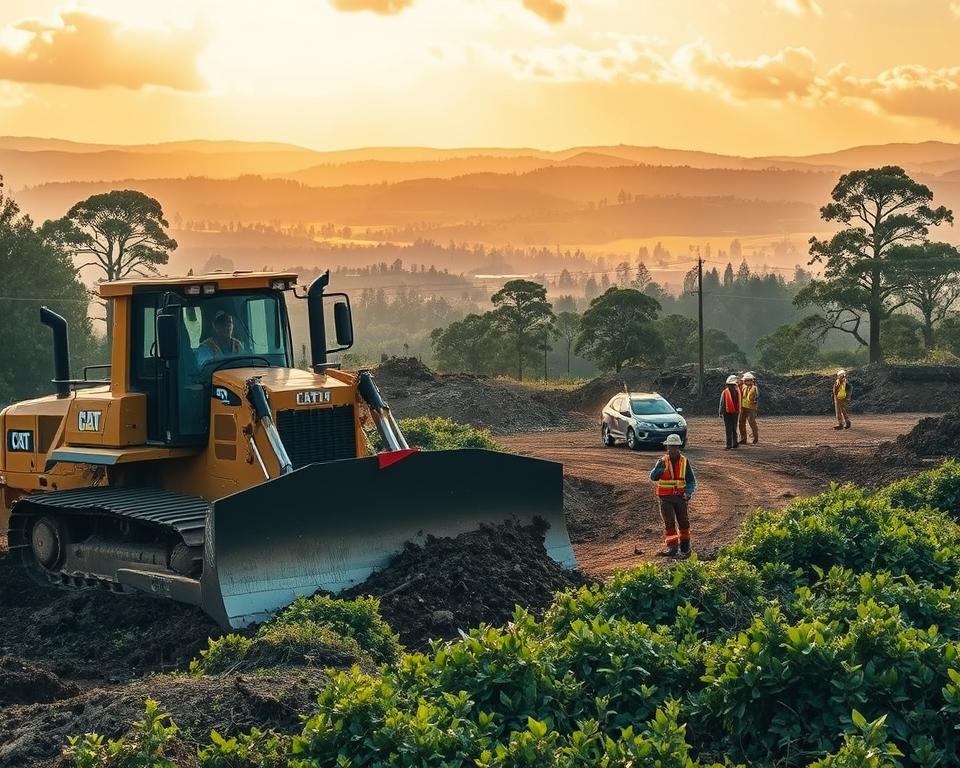
Effective mulching services utilize various forestry equipment. Forestry mulchers, built for attachment to skid steers, excavators, and tractors, are key. These machines, fitted with advanced technology, guarantee land is cleared swiftly and sustainably. The choice of equipment is critical to the mulching process’s success.
| Machinery Category | Function | Benefits |
|---|---|---|
| Forestry Mulcher | Shreds vegetation | Reduces debris and nourishes soil |
| Skid Steer Loader | Manoeuvrability in tight spaces | Versatile and effective in small areas |
| Excavator | Robust land clearing | Extremely efficient for larger projects |
| Tractor with Mulcher Attachment | Wide area coverage | Productive for open fields |
Upsides of Forestry Mulching
Forest mulching provides numerous advantages for both the environment and the economy. It substantially contributes to environmental conservation and provides economic gains for landowners and operators. This approach efficiently manages land, addressing various challenges at once. It stands out as a valuable approach in the field.
Environmental Advantages
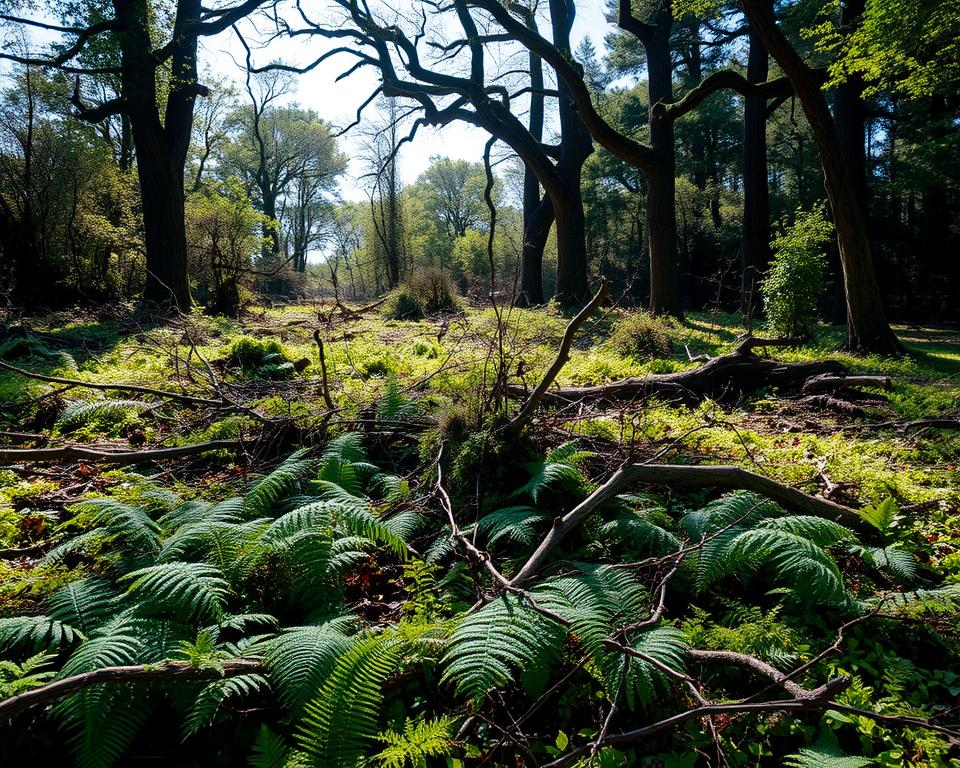
Forest mulching boosts soil fertility, a essential environmental benefit. As mulch breaks down, it reintroduces nutrients to the soil, fostering healthier ecosystems. This process is essential for sustaining plant life through nutrient cycling.
The mulch layer also prevents soil erosion, a significant issue in deforested or disturbed areas. It stabilizes the soil and minimizes run-off, playing a critical role in maintaining land integrity.
Cost Advantages
From an economic standpoint, forestry mulching provides significant cost savings. It combines several land management tasks into one, reducing labor and machinery costs. This simplifies land clearing and maintenance, resulting in increased efficiency.
Over time, landowners can see substantial reductions in project costs. This improves the economic viability of their land management strategies.
Soil Health Enhancement
Forestry mulching serves a crucial role in boosting soil health. It does so through nutrient cycling, where organic matter enriches the soil with vital nutrients. This improves the soil, supporting plant life and fostering a thriving ecosystem. Effective mulching techniques enhance soil structure and boost microbial activity, critical for long-term sustainability.
Nutrient Cycling through Decomposition
The decomposition of mulch is key to nutrient cycling. Microorganisms break down organic materials, releasing essential nutrients like nitrogen, phosphorus, and potassium. This makes nutrients available to plants, encouraging healthy growth and soil health. Healthy soil holds moisture better and supports diverse plant species, increasing biodiversity.
Erosion Control
Forestry mulching also reduces soil erosion. The mulch layer protects the soil from wind and rain, stopping erosion. By covering the land, mulching minimizes runoff and preserves soil integrity. This protection is critical for maintaining the ecosystem and ensuring the landscape remains vibrant and productive.
Saving Time and Boosting Efficiency
Forest mulching serves as a game-changer in land management, prioritizing efficiency and saving time. It makes land clearing faster by combining several tasks into one. This approach cuts down the time needed to get a site ready.
Streamlined Land Clearing
Forest mulching makes land clearing quick and easy. Unlike conventional methods that require different machines for each step, this method does it all in one go. It lowers the need for labor and equipment, speeding up projects and minimizing environmental harm.
Economic Efficiency
Forest mulching is not just fast; it’s also cheaper. It reduces on labor and equipment costs by streamlining processes. This means less money spent for landowners, making it a great choice for big areas or complex projects.
Vegetation Management Strategies
Successful vegetation management involves keeping ecosystems healthy. It’s key to control invasive species and encourage native plants. These steps are vital for preserving biodiversity and attaining environmental balance.
Managing Invasives
It’s critical to manage invasive species to protect native ecosystems. These invasive plants can outcompete local flora, causing biodiversity loss. Forest mulching helps by grinding up these invaders, allowing native plants to reclaim their space.
This method limits the need for herbicides, fostering a greener environment.
Native Flora Support
Forest mulching aids native plant growth by enhancing their living conditions. The mulch nourishes the soil, holds moisture, and keeps weeds at bay. As it breaks down, it provides nutrients and creates a natural habitat for wildlife.
By adopting these practices, we enhance vegetation management and support ecosystem restoration.
Eco Preservation Through Mulching
Forestry mulching emerges as a key player in environmental conservation. It not only aids in land clearing but also significantly contributes to reducing carbon footprints and conserving biodiversity. This sustainable method merges ecological responsibility with effective land maintenance.
Lowering Emissions
Forestry mulching offers substantial advantages in lowering carbon emissions from traditional land clearing methods. Unlike conventional methods, which rely on heavy machinery that pollutes, forestry mulching uses specialized, eco-friendly equipment. This minimizes environmental impact. The organic residue left behind acts as natural mulch, aiding in carbon capture and improving soil quality.
Supporting Biodiversity
Forest mulching also plays a vital role in biodiversity conservation. It manages land sustainably, protecting essential vegetation. This approach encourages the growth of native plant species, creating a balanced ecosystem. The reduced soil disturbance benefits wildlife, supporting their habitats and contributing to the overall health of landscapes.
Optimal Mulching Practices
Proper forestry mulching requires meticulous site preparation and the correct equipment selection. Proper site preparation boosts mulching efficiency and ensures successful vegetation management outcomes.
Site Preparation Techniques
Effective site preparation matters most for achieving top results in forestry mulching. Techniques include:
- Clearing oversized vegetation that may obstruct the mulching process.
- Utilizing chemical treatments to manage harmful species that compete with native plants.
- Conducting soil assessments to understand pre-existing conditions and make informed decisions.
- Establishing access paths to facilitate the transport of mulching equipment.
Picking the Best Machinery
Selecting the appropriate mulching equipment is critical based on terrain and vegetation types. Considerations include:
- The density and height of the vegetation to be mulched.
- The terrain type, which may require specialized machinery for uneven or rugged landscapes.
- Horsepower requirements to ensure efficiency and effectiveness during operation.
- Maintenance needs and availability of service for the selected equipment.
Safe Mulching Practices
Ensuring safety in forestry mulching is critical to protecting workers and machinery. Proper training for operators is vital. It helps them understand equipment and safety protocols, reducing accident risks. Using personal protective equipment (PPE) also reduces injury chances and enhances emergency response.
Operator Training and PPE
Comprehensive training programs are vital for operators in forestry mulching. These programs should cover several essential areas:
- Understanding machinery functions
- Identifying hazards associated with forestry mulching
- Implementing safe operating procedures
- Utilizing personal protective equipment
Wearing appropriate PPE, such as helmets, gloves, and eye protection, is critical. Each piece of PPE serves to protect against specific mulching risks.
Maintenance and Inspection of Equipment
Regular equipment maintenance is vital for the reliability and safety of forestry mulching machinery. Maintenance procedures should include:
- Routine checks of hydraulic systems and blades
- Monitoring engine performance and fuel levels
- Verifying safety features are functioning correctly
- Conducting thorough inspections before and after operations
Following maintenance schedules helps prevent malfunctions, improving safety in forestry mulching. A dedication to rigorous equipment maintenance ensures a productive and secure work environment.
Applications
Forestry mulching serves as a key tool in land management, assisting in various applications that boost environmental and economic benefits. It’s versatile, supporting land restoration and playing a major role in fire prevention. This method manages vegetation well, leading to healthier ecosystems and lower wildfire risks.
Rehabilitation Projects
In land restoration, forestry mulching helps remove invasive species and weeds. These can harm native plants. It enriches the soil, making it better for desired plants to grow. This leads to more biodiversity and sustainable ecosystems.
Fire Prevention Initiatives
Forestry mulching is also great for fire prevention. It removes dense vegetation that can start wildfires. This creates safe spaces around properties and key infrastructure. It lowers fire risk and encourages native plants to grow back.
Conclusion
Forest mulching emerges as a versatile and eco-friendly land management approach, bringing numerous benefits. It not only enhances soil health but also significantly reduces wildfire risks. This method supports diverse ecosystems, making it a key choice for landowners and organizations.
This method merges environmental sustainability with economic efficiency, appealing to those aiming to improve their landscapes. It maintains ecological balance while being a cost-effective solution for clearing unwanted vegetation. This promotes native species and improves land quality. As more embrace forestry mulching, healthier and more resilient ecosystems become a reality.
Adopting forestry mulching solves immediate land management issues and benefits the environment in the long run. Each application brings us closer to a sustainable future. It ensures that both current and future generations can enjoy the fruits of a well-managed landscape.